The Ultimate Guide to Training Splits: How to Choose the Right Routine for Your Goals

Walk into any gym in Dubai, and you'll see a dozen different approaches to strength training. One person is training their entire body, another is focused solely on their upper body, and a third is having a dedicated "Push Day". This brings up one of the most debated questions in fitness: What is the best workout split?
A training split is simply how you organize your resistance training sessions throughout the week to target different muscle groups. The way you structure your split has a profound impact on your training frequency, recovery, and ultimately, your long-term muscle gain.
Choosing the right workout plan isn't about finding a "magic" routine; it's about selecting the most logical and sustainable structure for your specific training goals, schedule, and fitness level. This guide will provide a clear, evidence-based breakdown of the three most popular and effective workout splits.
Your training split is a microcycle within your larger workout plan. To understand how to structure these splits into a long-term strategy for success, we highly recommend reading our foundational guide: What is Periodization? The Secret to Long-Term Muscle Gain. - Sana - pls make sure you add the link here.

1. The Full Body Split
A full body split involves training all major muscle groups in every single training session. This is a classic and highly effective way to lift weights.
Structure: 2-3 non-consecutive days per week (e.g., Monday, Wednesday, Friday), with rest days in between.
Pros:
High Training Frequency: Each muscle group is stimulated 2-3 times per week, which is optimal for muscle protein synthesis and muscle growth, especially for beginners.
Time Efficient: Perfect for those with a limited schedule. If you can only get to the gym for two weekly sessions, full body workouts are the most effective way to ensure no body part is neglected.
Great for Fat Loss: Full body workouts centered around large, compound movements are incredibly metabolically demanding, helping you burn calories and reduce body fat.
Cons:
Less Specialization: It's difficult to include a lot of training volume or isolation exercises for a specific muscle group that might be lagging.
Can be Fatiguing: Each session can be very demanding as you are training your entire body.
Who is it for?
Beginners who need to learn foundational compound lifts and build a base of strength.
Individuals whose primary goal is general fitness or fat loss.
Anyone who can only commit to 2-3 training days per week.

2. The Upper/Lower Split
This is a classic and highly effective routine that divides your training into upper body days and lower body days.
Structure: Typically a 4-day workout split (e.g., Monday: Upper, Tuesday: Lower, Thursday: Upper, Friday: Lower).
Pros:
Increased Volume: Allows you to perform more total work for each muscle group. You can add more isolation movements for smaller muscle groups like biceps and triceps after your main lifts.
Balanced Frequency: Still allows you to train each given muscle group twice per week, which is a great balance for muscle growth.
Better Recovery: Your upper body muscles get to recover while you do your legs workout, and vice versa.
Cons:
Requires More Time Commitment: It's best suited for those who can stay consistent with 4 training days per week.
Who is it for?
Intermediate lifters who are ready to increase their training volume.
Individuals who can consistently train 4 days per week.
Those whose primary goal is a balanced combination of strength gain and hypertrophy.

3. The Push/Pull/Legs (PPL) Split
The push pull legs split is a very popular workout split among bodybuilders and advanced lifters. It organizes your training day based on movement patterns.
Push Day (e.g., Chest, Shoulders, Triceps): Exercises that involve pushing movements. Examples: Bench Press, Overhead Press, Push Ups. It's your classic "Chest Tuesday" but smarter.
Pull Day (e.g., Back and Biceps): Exercises that involve pulling movements. Examples: Pull Ups, Rows, Bicep Curls.
Legs Day: Exercises that target the entire lower body, from quads and hamstrings to glutes and calves. Examples: Squats, Deadlifts, Leg Exercises like lunges.
Structure: Can be run 3 days a week (Push, Pull, Legs, rest, repeat) or, more commonly, 6 days a week (Push, Pull, Legs, Push, Pull, Legs, rest).
Pros:
Maximum Volume & Specialization: Allows for a huge amount of volume and focus on a specific muscle group, making it excellent for advanced hypertrophy.
Optimal Recovery Between Sessions: Because you're only training a few muscle groups per session, they have plenty of time to recover before they are trained again.
Cons:
Lower Frequency: In a traditional 3-day PPL split, each muscle is only trained once per week, which may be suboptimal for natural lifters.
High Time Commitment: A 6-day PPL split requires a significant lifestyle commitment.
Who is it for?
Advanced lifters whose primary goal is maximizing muscle size (hypertrophy).
Individuals with a very flexible schedule who can commit to 5-6 training sessions per week.
Conclusion: The Best Split is the One You Can Stick To
There is no single "best" training split. The optimal choice is entirely dependent on your individual fitness goals, experience, and, most importantly, your schedule.
If you can train 2-3 times per week, a Full Body Split is your most effective option.
If you can consistently train 4 times per week, an Upper/Lower Split is a fantastic choice for balanced progress.
If you are an advanced lifter with a flexible schedule, a Push/Pull/Legs split can be a great option.
The most important factor is consistency. The perfect 6-day plan that you only follow half the time will always be inferior to a good 3-day plan that you stay consistent with week after week.
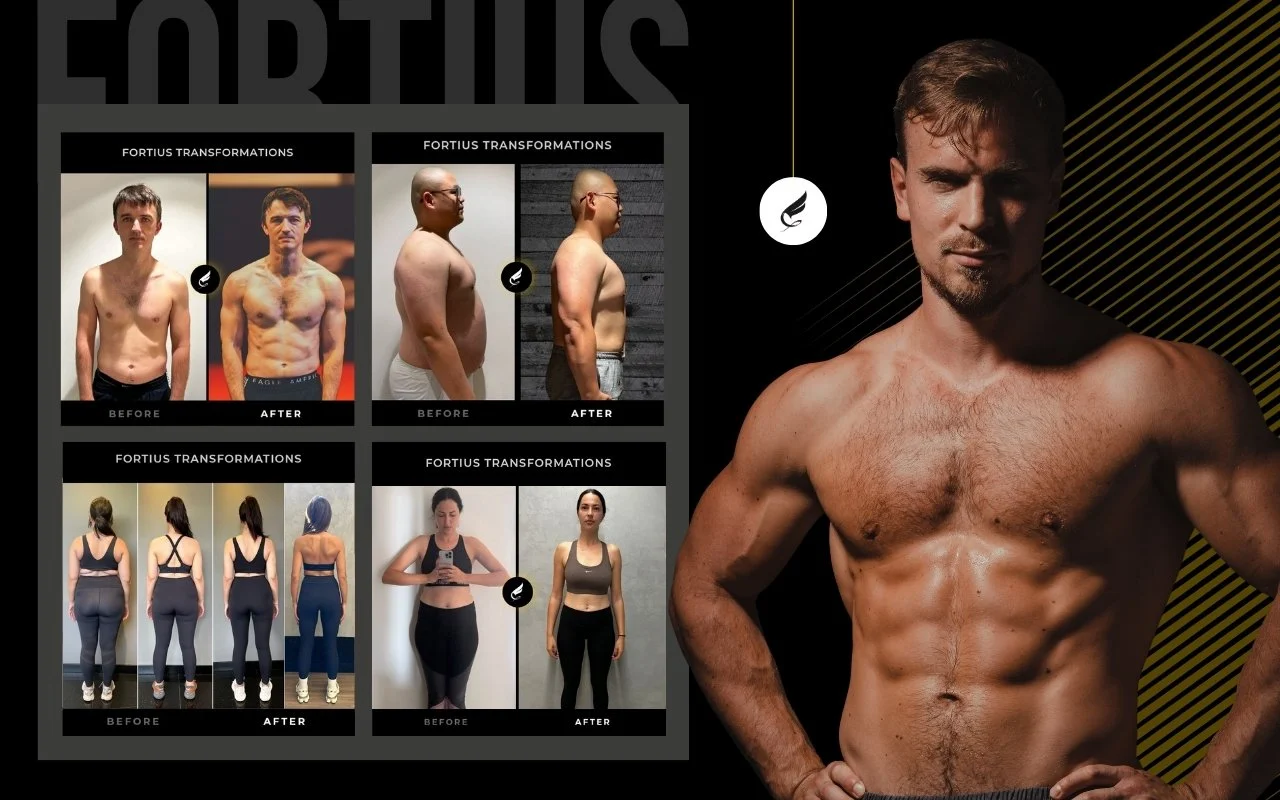
Ready to Build the Perfect Program for Your Life?
Understanding training splits is the first step. The final step is building a complete, periodized program around the split that is right for you. Let our expert coaches design a custom workout plan that is perfectly matched to your goals and your demanding schedule.