The Sleep & Recovery Blueprint: Optimizing Performance for the Dubai Lifestyle

In the vibrant and dynamic city of Dubai, a fast-paced healthy lifestyle is the norm. Amidst the allure of late-night socializing, demanding work schedules, and the constant digital buzz, quality sleep often takes a backseat. However, undervaluing the importance of adequate rest can have far-reaching consequences for your fitness journey, physical and mental health, and overall well-being.
This guide will illuminate the profound science of sleep, explore the detrimental effects of sleep deprivation, and provide practical, actionable strategies to optimize your sleep and recovery process, tailored for Dubai's dynamic environment.
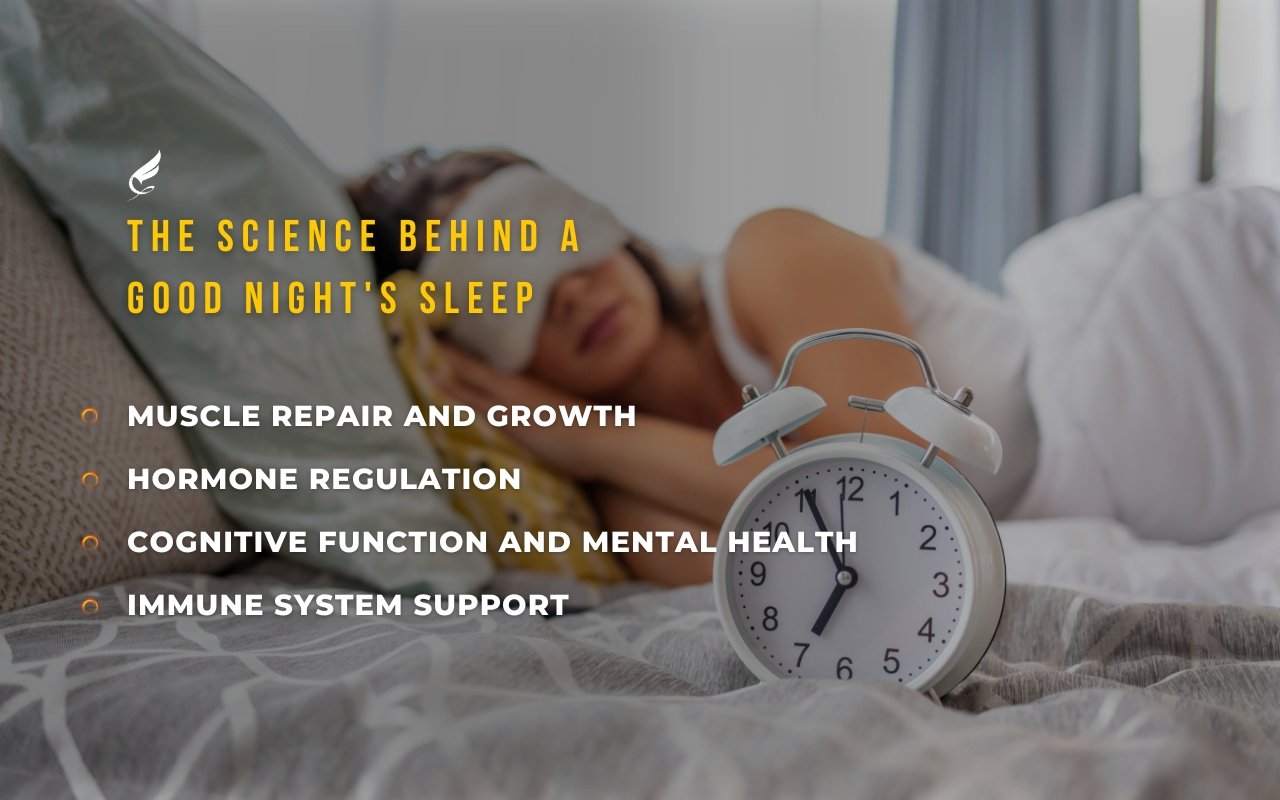
The Science of Sleep: The Unseen Pillar of Your Fitness Routine
Sleep is not a passive state; it's an active and essential period where your body performs critical restorative functions that are fundamental to your fitness goals.
Muscle Repair and Growth: After intense exercise, whether it's resistance training or a HIIT session, your muscles are broken down. During deep sleep, your body releases growth hormone (GH), which is crucial for muscle repair, stimulating protein synthesis, and facilitating muscle growth. Without adequate sleep, the post-workout recovery process is severely compromised, leading to persistent muscle soreness and stiffness.
Hormone Regulation: Sleep plays a vital role in regulating hormones that govern appetite, metabolism, and stress. Poor sleep patterns disrupt hormones like leptin and ghrelin, leading to increased cravings and potential weight gain. It also helps regulate cortisol, the stress hormone that can hinder fat loss.
Cognitive Function and Mental Health: Quality sleep is essential for enhancing cognitive function, memory consolidation, and achieving mental clarity. Sleep deprivation can impair performance, lead to mood swings, and negatively impact your mental well-being, which can in turn affect your ability to maintain motivation for your fitness routine.
Struggling to sleep after a late workout? Find out more in our blog: The Truth About Exercise and Sleep.
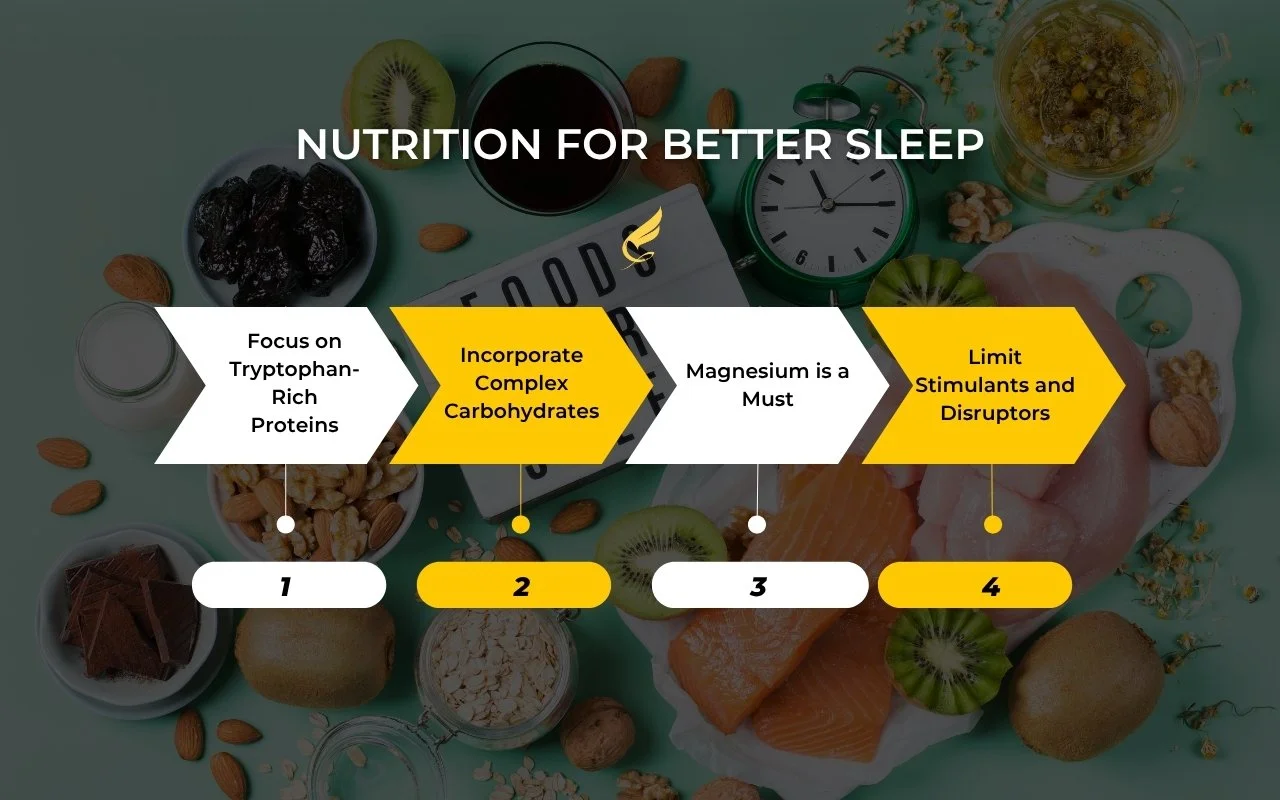
Nutrition for Better Sleep: What to Eat for a More Restful Night
What you eat throughout the day can have a significant impact on your ability to fall asleep as well as your quality of sleep.
Focus on Tryptophan-Rich Proteins: Tryptophan is an amino acid that is a precursor to serotonin, a neurotransmitter that promotes relaxation. Include sources like turkey, chicken, eggs, and nuts in your evening meal.
Incorporate Complex Carbohydrates: A small serving of complex carbs like oats or brown rice a few hours before bed can help make tryptophan more available to the brain.
Magnesium is a Must: Known as the "relaxation mineral," magnesium helps calm the nervous system. Excellent sources include leafy greens like spinach, almonds, and avocado.
Limit Stimulants and Disruptors: Be mindful of your caffeine intake, and try to cut it off at least 6-8 hours before bed. While alcohol may make you feel drowsy initially, it severely disrupts sleep quality in the second half of the night.
The Cortisol Connection: Why Stress is the Enemy of Fat Loss
For the Dubai professional, "stress" isn't just a feeling—it’s a physiological barrier to fat loss. When you are chronically stressed due to high-stakes decision-making or sleep deprivation, your adrenals pump out cortisol.
While cortisol is necessary for the "fight or flight" response, chronically elevated levels signal your body to:
Protect Fat Stores: Particularly in the abdominal (visceral) region.
Break Down Muscle: To provide a quick energy source (gluconeogenesis), which lowers your metabolic rate.
Inhibit Deep Sleep: High evening cortisol prevents you from reaching the deep NREM stages where physical repair and growth hormone release occur.
The Alpha Strategy: Managing your body transformation isn't just about training harder; it’s about managing your "Allostatic Load." By prioritizing the sleep protocols mentioned in this guide, you actively lower systemic cortisol, flipping the hormonal switch from "storage mode" to "recovery mode."
Practical Strategies for Optimizing Sleep in Dubai
Establish a Consistent Sleep Schedule: Go to bed and wake up around the same time every day. This regulates your body's internal clock, or circadian rhythm.
Create a Relaxing Bedtime Routine: Wind down before bed with calming activities like taking a warm bath, reading or practicing gentle stretching. Avoid bright lights from screens, which can suppress melatonin production.
Optimize Your Sleep Environment: Make your bedroom a sanctuary for sleep. Keep it dark, quiet, and cool. Your body temperature naturally drops to initiate sleep.
Incorporate Active Recovery: Light physical activity on your rest days, like walking or yoga, can promote blood flow and help your muscles recover without causing the stimulation of an intense physical activity session.
The Power of Strategic Napping: An Advanced Recovery Tool
While a full night’s sleep is your primary recovery engine, strategic napping is the "performance hack" that can bridge the gap during high-stress weeks. For the busy Dubai professional, a well-timed nap can reset the central nervous system and restore cognitive function.
The Two Golden Rules of Napping:
The 20-Minute Power Nap: Perfect for a quick alertness boost. By staying under 20 minutes, you avoid entering "Slow Wave Sleep" (deep sleep), meaning you wake up refreshed rather than groggy.
The 90-Minute Recovery Cycle: If you are severely sleep-deprived, aim for a full 90-minute cycle. This allows your body to move through all sleep stages, including REM, providing actual physical repair.
Pro-Tip: The "Nappuccino" (Caffeine Nap) To maximize productivity, try the "Nappuccino." Consume a quick espresso or a Fortius-approved caffeine source immediately before a 20-minute nap. Since caffeine takes about 20–30 minutes to enter the bloodstream, it will "kick in" exactly as you wake up, clearing out adenosine (the chemical that makes you feel sleepy) and leaving you double-charged for your afternoon sessions.
Timing is Everything: Aim to nap between 1:00 PM and 3:00 PM. This aligns with the natural post-lunch circadian dip. Napping later than 4:00 PM can interfere with your ability to fall asleep at night, creating a cycle of insomnia.
FAQs: Your Sleep and Recovery Questions Answered
-
Yes, cold therapy, also known as cold water immersion or an ice bath, can be a powerful tool for post-workout recovery. It works by constricting blood vessels, which can help reduce inflammation and muscle soreness. While the initial shock can be stimulating, many fitness enthusiasts find that an ice bath session in the evening helps lower their core body temperature, which can actually promote a deeper, more restful sleep later on. It's a great tool for both muscle recoveryand enhancing mental toughness.
-
The most overlooked factor is often inconsistent timing. Your body thrives on routine. Going to bed and waking up at wildly different times on weekends versus weekdays negatively impacts your circadian rhythm. The single most powerful habit you can build is a consistent wake-up time, seven days a week.
-
A short "power nap" of 20-30 minutes, taken in the early afternoon, can be incredibly effective for boosting alertness and energy levels without impacting nighttime sleep. The key is to keep it short and avoid napping too late in the day.
-
Most sleep experts recommend a surprisingly cool room temperature of around 18-20°C (65-68°F). Your body temperature naturally drops to initiate sleep, and a cool room helps facilitate this process.
Conclusion
Quality sleep and optimal recovery are the cornerstones of a healthy lifestyle and the unseen engine of your fitness journey. By understanding the science of sleep and implementing these practical strategies, you can unlock your full fitness potential, enhance athletic performance, and achieve your goals for both physical and mental health.
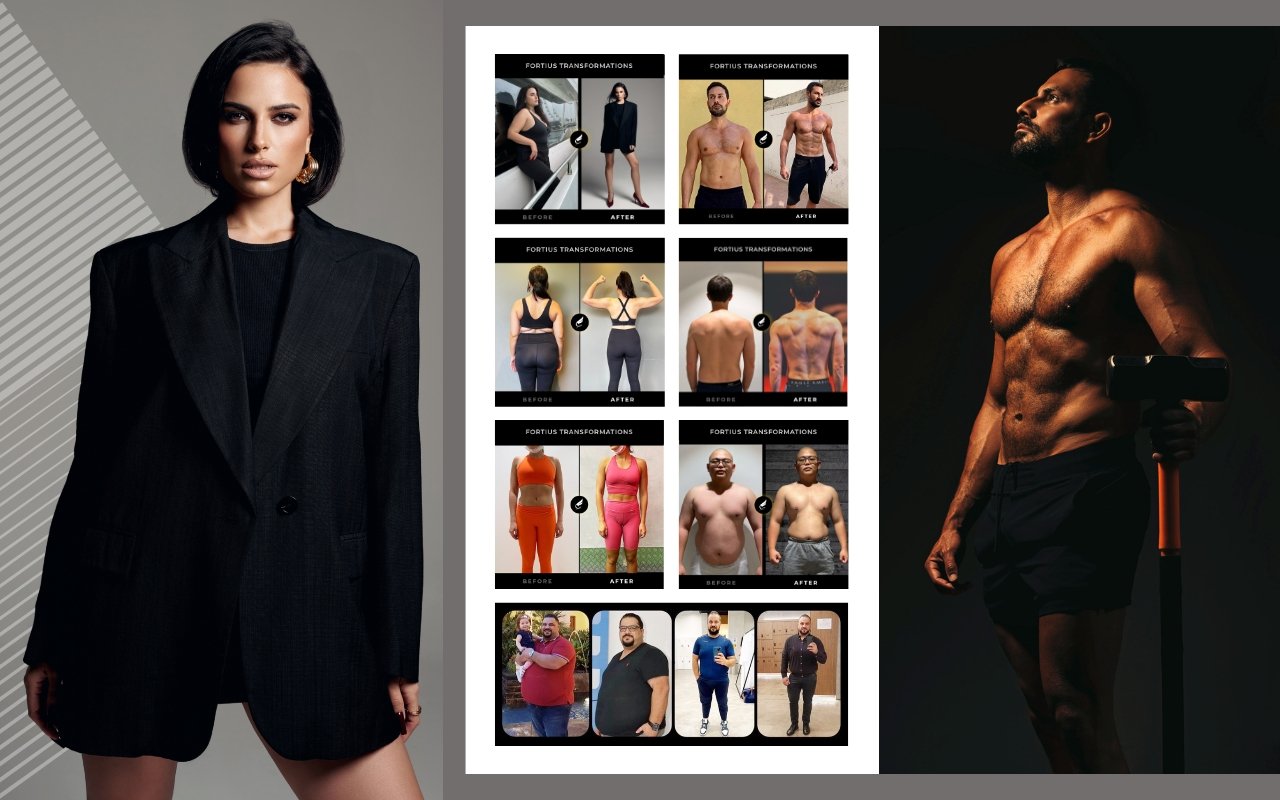
Ready to Build Your Personal Blueprint for Success?
A generic plan will always produce generic results. Let our expert coaches create a strategy built specifically for your body, your schedule, and your goals.