Push-Pull Workout: A Science-Based Chest and Back Routine for Optimal Muscle Growth

A Push-Pull workout is an effective and efficient way to train multiple muscle groups in the same workout routine. If your goal is to optimize muscle growth, then training multiple muscle groups in the same workout might be an excellent training split in the following situations:
Low training frequency (2-3 weekly workouts)
When the objective is to bring up lagging body parts
Low training frequency (2-3 weekly workouts)
If you exercise only 2-3 times per week, you will need to hit multiple muscle groups in the same session to ensure you hit all the muscle groups and achieve your minimum effective weekly volume for muscle growth. In that scenario doing a push-pull workout is a great option simply because during pulling movements, your chest muscles are not engaged, which means they can perform at a high level during the same session and vice versa.
What is minimum effective volume?
The minimum effective volume is the smallest work necessary to produce a desired training effect. This varies depending on your level of experience. Generally, beginners need less volume, and experienced lifters need more.
MEV - Minimum Effective Volume Recommendations
Beginners (0-2 years of training experience)
2-4 sets per muscle group/week
Intermediate (2-4 years of training experience)
5-8 sets per muscle group/week
Advanced (4+ years of training experience)
8-12 sets per muscle group/week
When the objective is to bring up lagging body parts
If we look at the current body of evidence, we can see that higher frequency training promotes more gains when the volume is equated to the traditional single muscle group once-per-week training.
Link to study - link
If we want to grow more muscle, we might better train that specific muscle twice a week.
Important notes:
When training the same muscle group more frequently, you should pay attention to the following:
not to exceed the weekly volume that you can recover from
not train the same muscle again before it is recovered (if you are still sore, you might be better off taking an extra day off or perhaps training a different muscle group
Now let's take a look at the chest and back muscles anatomy!
Chest muscle anatomy
The chest muscles are divided into the pectoralis major and the pectoralis minor.

Pectoralis Major

Pectoralis Minor
Back Muscle Anatomy
The back has 20 muscle pairs, but we will discuss the main muscle groups here.
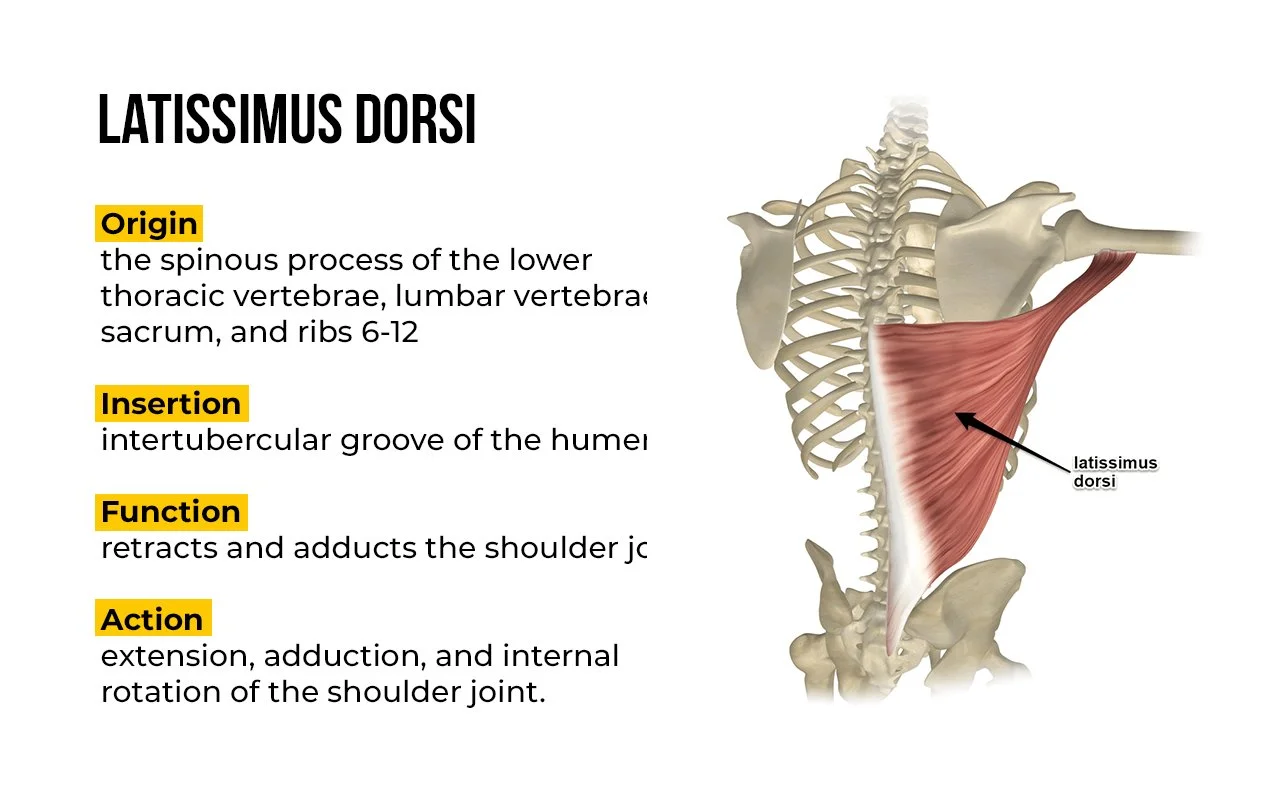
Latissimus Dorsi

Trapezius

Teres Major
Recommendations for rest periods for optimizing hypertrophy
Most gymgoers think that when you train multiple muscle groups, you somehow need to reduce rest periods between sets and exercises, which is not the case! In an ideal scenario, you should be well rested but not cool down before you head into your next working set! The objective is not to fatigue your muscle due to short rest periods but rather put a high level of effort into each working set, which can only be done with a good break. Some general recommendations for breaks during hypertrophy workouts are 1-2 minutes between sets. However, I highly recommend that you adjust your breaks based on two factors listed by the level of their importance:
Depending on how much time you have for your workout
Depending on how much time your body needs to recover between sets (for me, that might sometimes be 2-3 minutes)
Pro Tip: if you aim to reduce the rest between your working sets, improve your cardiovascular capacity!
Chest and back workout routine by Fortius Dubai personal trainers
Incline Dumbell Press 3x8-10
Lat Focused Cable Row Variation 3x10-12
Decline Chest Press Machine 3x10-12
Upper Back Cable Row Variation 3x10-12
Cable Biceps Curl 4x10-12
5 Tips For Optimizing Muscle Growth
-
Progressive overload means that you need to challenge your muscles more over time. This can be done by increasing the weight of an exercise, increasing the number of reps and sets, or increasing time under tension.
-
Protein is essential for muscle growth as it provides amino acids that help build muscle tissue. As a general recommendation, aim to eat 1g of protein per pound of body weight each day.
-
General recommendations for carb intake for optimizing muscle building are 2-3g of carbohydrates per kilogram of body weight. This will ensure adequate energy for your workouts and muscle recovery.
-
Adequate rest and recovery are essential for muscle growth. During this time, the muscles repair themselves from the damage caused by a workout.
-
Muscle building is a slow process, and from our limited data, we can conclude that beginners can gain up to 2lbs (1kg) of muscle monthly while most intermediate and advanced lifters will rarely exceed the rate of 0.5-1 lbs (250-500gm) per month. Now, if you consider that after 30, you can lose up to 3% of your lean muscle mass every decade, staying consistent with your training and nutrition routine is essential.
Learn more about training with our science-based blogs:
Common questions and answers
-
If you have a higher training frequency, especially an intermediate or advanced lifter, you might benefit more from training these two big muscle groups on separate days. That will allow you to train each group with better focus and intent and more aggressively, however as per the metanalysis shown in this blog, you could potentially have even greater gains if you do 2 push-pull sessions in a week as long as you have the right volume that can maximize your results. Ultimately there is no easy answer to the above, and you should try which method works better for you.
-
You should start with the muscles you feel are less developed and need more attention. If you are equally happy with both muscle groups, starting with a back exercise might be better, as the back plays a vital role in pushing movements when it comes to chest exercises.
-
If your objective is to give your chest muscles the best possible stimulus once you lower the bar, your elbows should form a 45-degree angle with the trunk. If you go too narrow, your triceps will take over, and if you go too wide, you will reduce the effective range of motion for training the chest properly.
-
There are a few things you can do in this case. If you train chests twice per week, you can do a flat pressing movement and incline movements for the upper chest in your first session and then a decline movement in your 2nd session of the week. However, if you only train the chest and back once per week in the same session, you do not need to hit the entire upper body from every angle. Your entire chest will grow even if you only do a flat bench press and one incline or decline movement. Especially if you are a beginner or intermediate lifter, you should not obsess with targeting the muscle from multiple angles.

For all things related to fitness and nutrition, check out our fitness blogs:
Find out more about our fitness services:
Stay Strong #BeFortius