How to Lose Belly Fat, Face Fat, and Body Fat: The Science-Backed Fortius Dubai Guide

Why Spot Reduction is a Myth: The Truth About Fat Loss
Most clients at Fortius Dubai come to us with the same goal: losing fat in one specific "trouble area." Whether it’s how to lose belly fat, slim the thighs, or reduce face fat, the search for "express methods" and "one-month six-packs" is everywhere.
The hard truth? You cannot locally burn fat. While the fitness industry often promises "fat-burning workouts" for specific body parts, physiology tells a different story. Fat loss is a systemic process, not a local one.
How Your Body Actually Stores and Burns Fat
Fat is stored in "depots" distributed across your body based primarily on your genetics. Some individuals carry more abdominal fat, while others store it in the thighs, arms, or back.
Here is the scientific reality:
Genetics Dictate Storage: You cannot choose where your body stores fat or where it pulls it from first.
The "First In, Last Out" Rule: Often, the areas where you store fat first (like the belly for men or hips for women) are the last areas to lean out.
Exercise Doesn't Target Fat: Doing 1,000 crunches will strengthen your abs, but it won’t "burn" the fat covering them. There are no exercises to lose face fat or slim legs specifically.
Prioritize Body Composition Over Scale Weight
At Fortius Dubai, we teach our clients to prioritize body composition over total body weight. The goal shouldn't just be to get "smaller," but to get leaner and stronger.
Why Muscle is the Foundation of a Lean Look
The less body fat you have, the leaner you look—but only if you have the muscle mass to support it. A "toned" appearance is simply the result of having low enough body fat to see the muscle underneath.
Metabolic Advantage: Muscle tissue is more metabolically active than fat, meaning you burn more calories at rest.
Visual Density: Muscle is much denser than fat. Two people can weigh 70kg, but the one with more muscle will look significantly tighter and more athletic.
The Only Real Way to Lose Body Fat: The Caloric Deficit
If spot reduction doesn't work, what does? The answer is simple but requires discipline: A sustained caloric deficit combined with resistance training. By following the Fortius Nutrition Blueprint, you create an environment where your body is forced to use stored fat for energy. Over time, as your total body fat percentage drops, those "stubborn" areas like the belly and face will naturally lean out.

Why Resistance Training is Non-Negotiable
Being in a caloric deficit is the engine of fat loss, but resistance training is the steering wheel. Without lifting weights, your body may lose muscle along with fat, leaving you "skinny-fat" rather than toned and athletic.
At Fortius Dubai, we prioritize muscle growth because:
Metabolic Fire: Muscle tissue is metabolically expensive. The more you have, the more calories you burn at rest (BMR).
Structural Shaping: You can't "shape" fat; you can only shape the muscle underneath it.
Visceral Fat: The Health Risk Hidden in Your Waistline
Abdominal fat isn't just a cosmetic concern—it's a health marker. Visceral fat surrounds your internal organs and is a primary driver for type 2 diabetes, heart disease, and fatty liver problems.
How to Measure Your Risk at Home
You don't need a lab to check your status. Use a simple tape measure around your waist (just above the hip bones) after breathing out:
Men: A waist circumference over 40 inches (101 centimeters) indicates increased health risks.
Women: A waist circumference over 35 inches (89 centimeters) indicates increased health risks.
The Reality of Modern Eating and "Stubborn" Fat
We live in an environment designed to make us overeat. Larger portions and hyper-palatable "fatty-sweet" foods hijack our brain’s reward system. This excess energy is stored in your genetically predisposed "fat depots"—usually the waist and hips.
The "First In, Last Out" Rule: Your body often loses fat in the thinnest parts first (like the face or arms). The area that bothers you most—the "stubborn" belly fat—is often the last to go. This isn't a failure of your diet; it's a biological sequence that requires consistency and patience.
Why Your Friend’s Diet Won't Work For You
Your Basal Metabolic Rate (BMR) is as unique as your fingerprint. Factors like age, lean muscle mass, daily "NEAT" (non-exercise activity like walking or fidgeting), and hormonal profile mean a "standard" meal plan is rarely optimal.
A custom approach is essential because:
Lifestyle Variance: A friend who walks to the shop and plays football has different caloric needs than someone with a desk job.
Sustainability: The best diet is the one you can maintain for 12–16 weeks without feeling deprived.

Your Fortius Blueprint for Success
To achieve a total body transformation and finally lose the belly and face fat, follow these non-negotiables:
Define a Realistic Goal: Focus on a 12–16 week horizon, not a "one-week detox."
Maintain a Managed Deficit: Don't starve yourself; find the "sweet spot" where you lose fat but keep energy high.
Ignore the "Magic Pills": Fat burners, slimming teas, and anti-cellulite creams are marketing myths. Save your money for high-quality whole foods.
Track Multiple Metrics: Don't just rely on the scale. Take photos and track your strength in the gym.
Increase Daily Movement: Small habits, like taking the stairs, add up to thousands of calories burned over a month.
Frequently Asked Questions About Fat Loss
-
Weight gain is fundamentally driven by a caloric surplus. While alcohol contains "empty calories" that can lead to a surplus, it doesn't automatically transform into belly fat. However, excessive intake negatively impacts your hormones, sleep quality, and ability to build muscle. In the long run, this makes it significantly harder to maintain a lean midsection and optimal health.
-
Both are valuable tools, but they serve different roles. Cardiovascular exercise typically burns more calories during the session. However, resistance training builds muscle mass, which turns your body into a "metabolic machine" that burns more calories at rest. For the best body transformation results, a combination of both is ideal, with a primary focus on lifting weights to shape the body.
-
Strictly speaking, you can lose fat while eating processed foods as long as you are in a caloric deficit. However, processed foods are often engineered to be overeaten and provide little satiety. For sustainable fat loss and peak mental performance, a diet rich in high-quality proteins, healthy fats, and complex carbohydrates is the superior choice for long-term health.
Take the Guesswork Out of Your Transformation
By now, you understand that you cannot "spot reduce" face fat or belly fat through specific exercises. Your genetics determine where fat stays, but your lifestyle determines how much fat you carry. Losing weight requires a managed caloric deficit, while shaping your physique requires strategic resistance training. If you are tired of generic meal plans and conflicting advice, it’s time for a professional, science-backed approach.
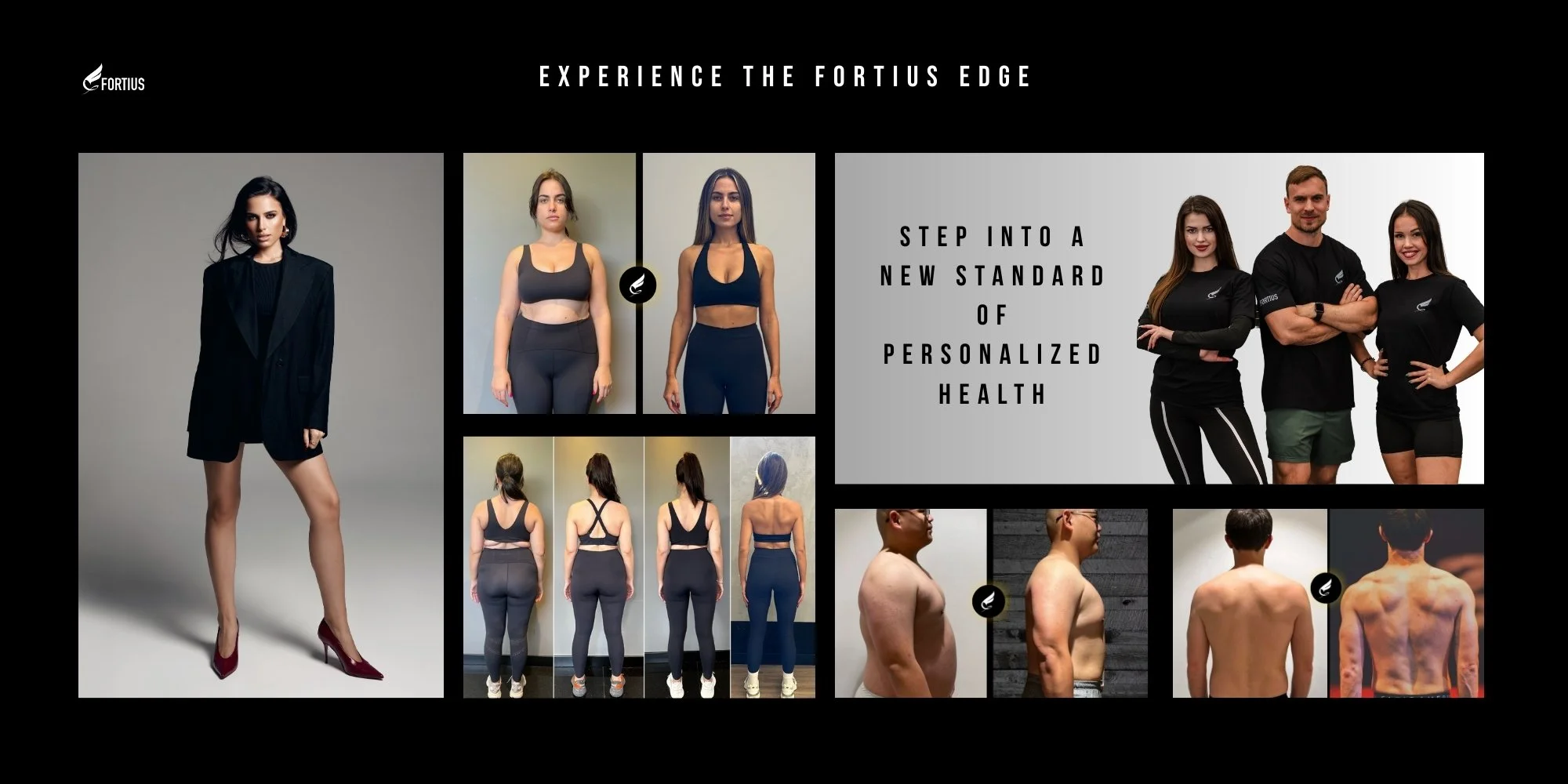
Ready to see real results?
Whether your goal is to reduce visceral fat, improve your body composition, or finally build a sustainable relationship with food, the Fortius Dubai team is here to guide you.
Customized Nutrition: Stop guessing your macros and start eating for your specific BMR.
Expert Coaching: Train safely and effectively with Dubai's leading transformation specialists.
The FREE Fortius AI Coach: Track your progress, workouts, and nutrition all in one place.

To find out more about our services, check out:

To learn more about all things health and fitness, check out the most comprehensive fitness blog in Dubai:
#Stay Strong #BeFortius