Unlocking the Potential of the Carnivore Diet: Benefits, Risks, and Meal Plans

The Carnivore Diet: A Primal Approach to Modern Health
The carnivore diet, a diet centered around animal products, has gained popularity in recent years. While its roots trace back to ancient times when humans relied heavily on hunting for sustenance, its resurgence is fueled by a growing dissatisfaction with conventional dietary guidelines and a desire for alternative paths to health and wellness.
In the Middle East, where rich culinary traditions often intertwine with modern dietary challenges, the carnivore diet presents an intriguing option for those seeking optimal health and weight management. This comprehensive guide will delve into the principles of the carnivore diet, explore its potential benefits and drawbacks, and address common questions and concerns.
For those looking to integrate these principles into a structured, results-driven lifestyle, our Transformation Program provides the professional coaching and accountability needed to succeed.


The Controversial Pioneer: Aajonus Vonderplanitz and the Primal Diet
Aajonus Vonderplanitz, a figure who has stirred controversy in the health and nutrition sphere, is the mastermind behind the modern carnivore diet. His brainchild, the Primal Diet, is a low-fat, high-protein regimen that champions raw animal products while shunning grains and vegetables. Although the Primal Diet does allow for some raw fruits and dairy, the carnivore diet typically steers clear of these foods.
Vonderplanitz attributed his recovery from terminal cancer to his high-protein, raw food diet, sparking interest in meat-centric approaches to health. Although he passed away in 2007, his legacy lives on through the continued popularity of the Primal and Carnivore Diets.
Unconventional Beliefs:
Vonderplanitz strongly opposed food and health, advocating for "living foods" and opposing cooking or heating food above 118 degrees Fahrenheit. He believed high temperatures destroy digestive enzymes, leading to various health issues.
While his views remain controversial, the core principle of prioritizing protein and minimizing carbohydrates resonates with many health enthusiasts today. With its simplicity and focus on animal products, the carnivore diet eliminates the complexities often associated with other popular diets like Atkins or Paleo.
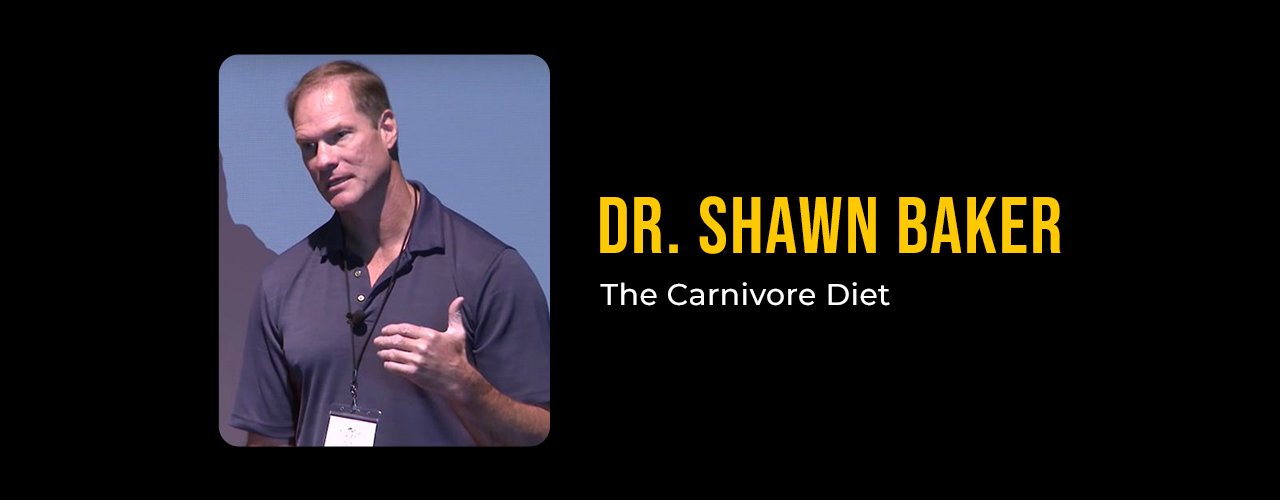
Dr. Shawn Baker: The Athletic Advocate for the Carnivore Diet
Dr. Shawn Baker, a former orthopedic surgeon and decorated athlete, has become prominent in the carnivore diet movement. With an impressive athletic background, including world records in deadlifts and bench presses, Baker's personal experiences with the diet have fueled his passion for its potential benefits.
Dissatisfied with conventional medical practices, Baker turned to the carnivore diet to manage his own autoimmune issues. He claims the diet has been transformative, improving health and well-being. While skeptics dismiss the carnivore diet as a fad, Baker's numerous success stories with clients who have experienced positive health outcomes, including improvements in autoimmune conditions, diabetes, and arthritis, lend credibility to his claims.
Baker's advocacy for the carnivore diet extends beyond personal anecdotes. He emphasizes the evolutionary perspective, arguing that humans have thrived on meat-based diets for centuries. The carnivore diet, he believes, offers a simplified and natural approach to nutrition that can lead to weight loss, mental clarity, and increased energy levels.
The debate surrounding the carnivore diet continues, but Baker's influence and the growing number of individuals reporting positive results suggest that this dietary approach deserves further exploration and research.
The Carnivore Diet: A Closer Look
The carnivore diet is a dietary approach that centers almost exclusively on animal products. It's a high-protein, low-carbohydrate diet that eliminates all plant-based foods, including fruits, vegetables, grains, and legumes. The primary food sources on this diet include:
Meat (including organ meats)
Fish and seafood
Eggs and egg whites
Dairy products (if tolerated)
The carnivore diet shares similarities with other popular diets, like the ketogenic and paleo diets, as they all emphasize animal products and limit carbohydrate intake. However, the carnivore diet takes it a step further by excluding all plant-based foods.
-
The carnivore diet, while still under scientific scrutiny, has garnered anecdotal evidence suggesting a range of potential benefits:
Weight Loss:
The high protein and low carbohydrate nature of the diet can promote satiety and fat burning, leading to potential weight loss.
Increased Energy:
By eliminating processed foods and sugars, some individuals report experiencing sustained energy levels and improved focus.
Reduced Appetite & Cravings:
The satiating effect of protein and the absence of refined carbohydrates may help curb cravings and reduce overall food intake.
Reduced Inflammation:
Some proponents suggest the carnivore diet can decrease inflammation, potentially benefiting individuals with conditions like depression or even aiding in cancer treatment. However, more research is needed in this area.
Improved Skin Health: Anecdotal evidence suggests the carnivore diet may help clear up skin issues like acne, potentially due to reduced inflammation and elimination of trigger foods.
Improved Gut Health:
By removing potential irritants like grains and legumes, some individuals report improved digestion and gut health on the carnivore diet.
Reduction in Migraines:
Some individuals on the carnivore diet have reported a decrease in the frequency and severity of migraines, although the exact mechanisms behind this are still being explored.
Important Note: It's crucial to remember that these potential benefits are based on anecdotal evidence and individual experiences. The carnivore diet lacks extensive clinical research, and its long-term effects on health are still under investigation. It's essential to consult with a healthcare professional before embarking on any significant dietary changes, especially if you have any underlying health conditions.
-
Embarking on the carnivore diet can be a significant shift for your body. As you adapt to this new way of eating, you might experience some temporary side effects, including:
Fatigue:
The initial transition can lead to fatigue as your body adjusts to burning fat for fuel instead of carbohydrates.
Bad Breath:
The breakdown of ketones, a byproduct of fat burning, can cause a distinct odor on your breath.
Constipation:
The lack of fiber in the carnivore diet can lead to constipation. However, this can be mitigated by incorporating low-carb vegetables or a fiber supplement into your routine.
Low Energy Levels:
Initially, you might experience low energy levels as your body adapts to the new fuel source. This typically improves as your body becomes more efficient at utilizing fat for energy.
Increased Urination:
The carnivore diet's diuretic effect can lead to increased urination, so staying hydrated is crucial.
These side effects are usually temporary and should subside within a few weeks as your body adjusts. However, if any of these persist or become severe, it's essential to consult with a healthcare professional.
Remember, the carnivore diet is a significant dietary change, and it's important to listen to your body and make adjustments as needed. By being aware of potential side effects and taking proactive steps to manage them, you can navigate the transition smoothly and experience the potential benefits of this dietary approach.
Redefining Health: It's About Quality of Life, Not Just Longevity
The concept of "health" is often narrowly defined by lifespan alone. However, proper health encompasses more than just the years you live. It's about living a vibrant, pain-free life where you can move freely, perform well at work and home, and enjoy everyday activities without limitations. It's about having optimal lab markers and minimizing reliance on healthcare interventions.
-
While long-term clinical studies on the carnivore diet are lacking, anecdotal evidence and testimonials suggest it can contribute to various health benefits:
Balanced Blood Sugar:
The elimination of processed foods and refined carbohydrates can help stabilize blood sugar levels, reducing cravings and promoting energy balance.
Reduced Cravings:
The satiating effect of protein and the absence of addictive processed foods may help curb cravings and promote mindful eating.
Adequate Protein Intake:
The carnivore diet naturally ensures you consume sufficient protein, crucial for muscle building, repair, and overall health.
Simplified Eating:
The focus on animal products simplifies meal planning and preparation, making it a convenient option for busy individuals.
-
As with any dietary approach, moderation is key. While the carnivore diet emphasizes animal products, overconsumption of any food, including meat, can have negative consequences. However, the carnivore diet's satiating nature often leads to a natural reduction in appetite, making it easier to avoid overeating.
If you have specific health concerns, such as high cholesterol, you can adapt the carnivore diet by choosing leaner cuts of meat like fish and poultry. The beauty of this diet lies in its flexibility and adaptability to individual needs.

The Carnivore Diet: What's on the Menu?
The carnivore diet centers primarily on animal-based foods, emphasizing their nutritional value and satiating properties. Here's a breakdown of what's typically included and excluded:
-
Meat: Beef, lamb, pork, chicken, turkey, and other meats, including organ meats, are staples of the carnivore diet.
Fish & Seafood: A variety of fish and seafood options provide essential nutrients and healthy fats.
Eggs: A versatile source of protein and essential nutrients.
Dairy: Some individuals include dairy products like cheese and butter, but it's important to consider individual tolerances and potential sensitivities.
-
Olives & Avocados: These healthy fats can add flavor and variety to your meals.
Honey: A natural sweetener used sparingly.
Nuts & Seeds: While technically plant-based, some individuals include nuts and seeds in moderation.
Herbs & Spices: Enhance the flavor of your meals with various herbs and spices.
-
Grains: Bread, rice, pasta, and other grains are excluded from the carnivore diet.
Legumes: Beans, lentils, and other legumes are not allowed.
Most Fruits: Except berries, most fruits are avoided due to their sugar content.
Sugars & Processed Foods: All added sugar and processed foods are strictly off-limits.
Starchy Vegetables: Potatoes and other starchy vegetables are typically avoided.

-
Steak, a cornerstone of the carnivore diet, boasts an impressive nutritional profile that has earned it the "superfood" label among proponents of this dietary approach. It's a powerhouse of essential nutrients, including:
High-Quality Protein: Steaks are packed with protein, which is crucial for building and repairing tissues, supporting immune function, and promoting satiety.
Iron: This mineral is vital for red blood cell production and oxygen transport throughout the body.
Zinc: An essential mineral that plays a role in immune function, wound healing, and cell growth.
Vitamin B12 is crucial for nerve function, DNA synthesis, and red blood cell production.
Creatine: A naturally occurring compound that enhances muscle strength and power, particularly beneficial for athletes and bodybuilders.
When it comes to steak, the key is in the choice. Opting for lean cuts and practicing moderation is crucial to avoid excessive saturated fat intake, making it a balanced addition to a carnivore diet.

-
While red meat offers valuable nutrients like protein, iron, and zinc, excessive consumption has been associated with certain health risks. It's important to understand these potential drawbacks and make informed choices about your dietary habits.
Heart Disease:Research suggests a link between high red meat intake and an increased risk of heart disease. This is primarily attributed to the saturated fat content in red meat, which can raise LDL cholesterol levels.
Colon Cancer: Studies have also indicated a potential association between red and processed meat consumption and an increased risk of colon cancer. The exact mechanisms behind this link are still being investigated, but it's thought that certain compounds formed during meat processing or cooking at high temperatures might play a role.
It's important to note that these findings don't necessarily mean that red meat should be completely avoided. Moderation and choosing lean cuts can help mitigate potential risks. Additionally, some studies suggest that the way meat is cooked and processed can influence its impact on health.
The key is to make informed choices about your diet and consult with a healthcare professional if you have any concerns about red meat consumption. A balanced and varied diet that includes a variety of protein sources, along with plenty of fruits, vegetables, and whole grains, is crucial for optimal health and well-being.
-
The recommendation to reduce red meat consumption for better health has been a dietary staple for years. However, recent research has challenged this conventional wisdom, suggesting that the link between red meat and adverse health outcomes might be weaker than previously thought.
A study published in the Annals of Internal Medicine reviewed numerous randomized trials and cohort studies, involving millions of participants. The findings revealed low to very low certainty evidence that reducing unprocessed red meat intake might have little or no effect on the risk of major cardiometabolic outcomes and cancer mortality.
The study also observed that decreasing unprocessed red meat intake might result in a minimal reduction in the risk for major cardiovascular outcomes and type 2 diabetes (range, one fewer to 6 fewer events per 1000 persons with a decrease of 3 servings/wk), with no statistically significant differences in 2 additional outcomes (all-cause mortality and cardiovascular mortality).
Furthermore, a dose-response meta-analysis of 17 cohort studies with over 2 million participants indicated that decreasing unprocessed red meat intake resulted in a minimal reduction of overall lifetime cancer mortality (7 fewer events per 1000 persons with a decrease of 3 servings/wk). It also demonstrated no statistically significant differences for eight different cancer outcomes (prostate cancer mortality and the incidence of overall breast, colorectal, esophageal, gastric, pancreatic, and prostate cancer). The review also encompassed cohort studies that assessed dietary patterns (70 cohort studies with just over 6 million participants), which once again provided mostly uncertain evidence for the risk for adverse cardiometabolic and cancer outcomes.
These findings have sparked debate within the scientific community and challenge the long-held belief that red meat is inherently harmful. However, it's important to note that the study focused on unprocessed red meat, and the impact of processed meats was not extensively evaluated.
The key takeaway is that the relationship between red meat consumption and health is complex and multifaceted. While moderation and choosing lean cuts are still recommended, the evidence suggests that red meat might not be the dietary villain it's often portrayed to be.
I know that by now, you must be very confused with all the conflicting evidence when it comes to red meat consumption. I also most certainly know that your doctor is unaware that science is not settled regarding red meat consumption and various health outcomes. That's why they advise clients to reduce red meat consumption in the majority of cases.

The Complex Relationship Between Red Meat and Life Expectancy
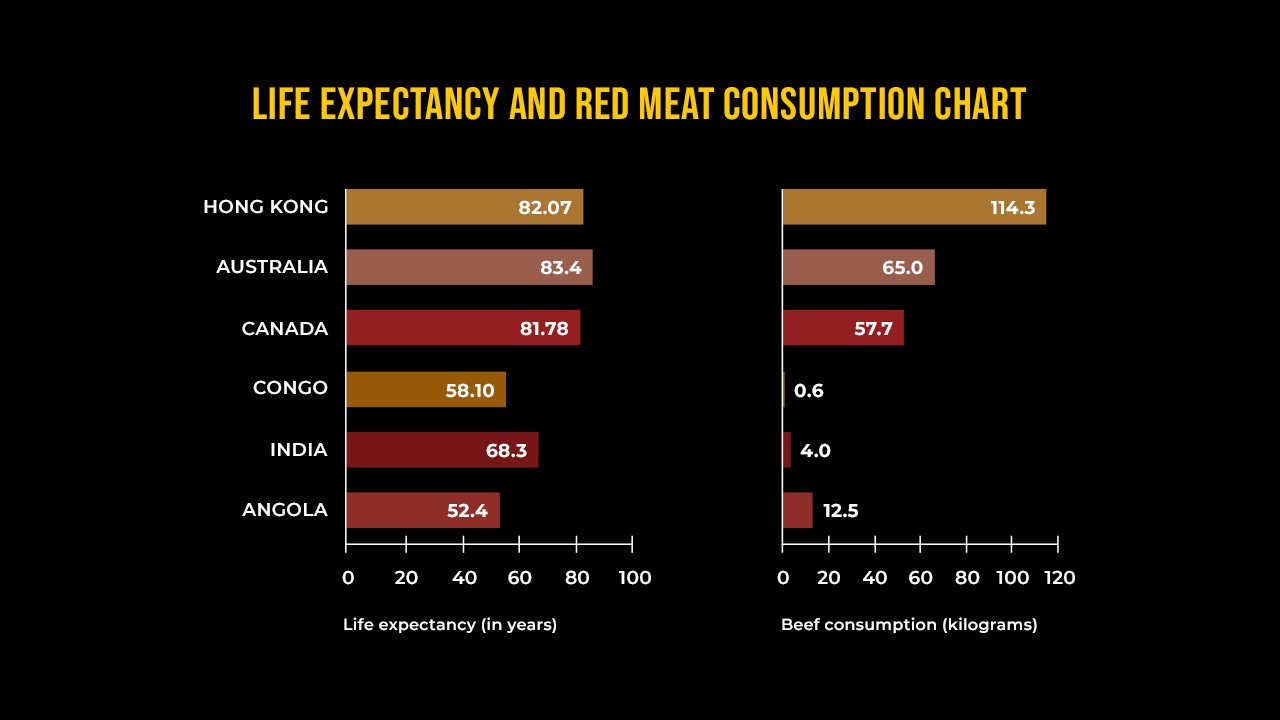
The connection between red meat consumption and life expectancy is a subject of ongoing debate. While some observational studies suggest a potential link between high red meat intake and reduced lifespan, it's crucial to consider the broader context and possible confounding factors.
The original text's example of countries with high and low beef consumption highlights a correlation but doesn't necessarily prove causation. Socioeconomic conditions, healthcare access, and lifestyle habits can significantly influence life expectancy.
While it's true that wealthier countries tend to have higher life expectancies and also consume more red meat, it's essential to avoid oversimplifying the relationship. Significantly more robust research is needed to isolate the specific impact of red meat consumption on lifespan, independent of other variables.
The key takeaway is that the relationship between red meat and life expectancy is complex and multifaceted. While moderation and choosing lean cuts are generally recommended, it's essential to consider the broader context of your overall diet and lifestyle when making dietary choices.
The Cholesterol Conundrum: Red Meat and Heart Health
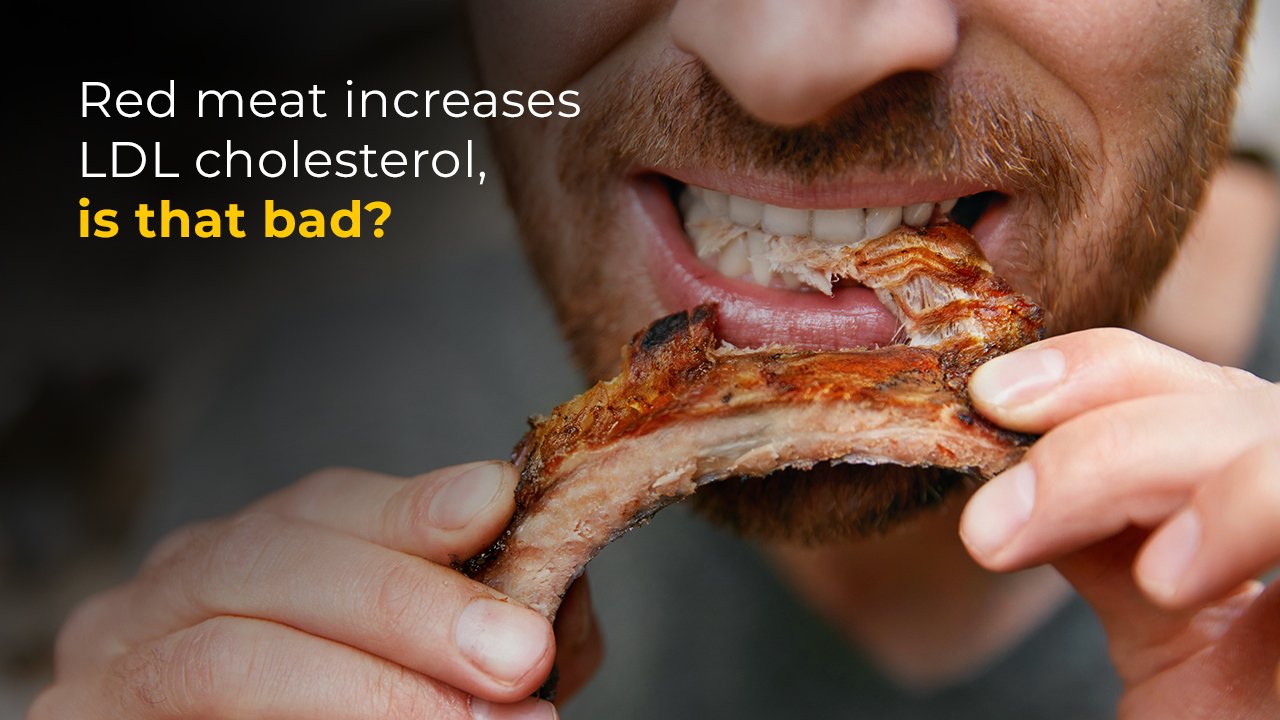
The scientific consensus acknowledges that increased consumption of red meat, particularly those rich in saturated fats, can elevate cholesterol levels. High LDL cholesterol levels, often called "bad" cholesterol, are associated with an increased risk of cardiovascular disease.
However, the picture is more nuanced than it might seem. Its cholesterol content doesn't solely determine the impact of red meat on heart health. Other factors, such as insulin levels, inflammation markers, and overall body composition, also play a significant role.
The carnivore diet, with its emphasis on whole, unprocessed meats and the elimination of refined carbohydrates and processed foods, can improve these key health markers. By reducing insulin levels, promoting fat loss, and decreasing inflammation, the carnivore diet may positively affect heart health, even with increased red meat consumption.
As Dr. Shawn Baker eloquently puts it:
"Let's use some arbitrary numbers and say that the risk of heart disease goes up 20 percent if you have LDL higher than 130, but it goes down 150 percent if your insulin is lower than 3. Heart disease goes down another 85 percent if your waist is smaller than your height, and it goes down a further 120 percent if you have a C-reactive protein (a marker of inflammation) level lower than 1.0."
Dr. Baker's point highlights the importance of considering the broader picture when evaluating the impact of red meat on health. The potential benefits of the carnivore diet in improving various health markers might outweigh the potential risks associated with increased cholesterol levels, reinforcing the idea that increased red meat consumption can be balanced with other health markers.
The key takeaway is that dietary recommendations should not be based solely on isolated factors like cholesterol. A holistic approach that considers the interplay of various nutrients, lifestyle factors, and individual health needs is crucial for making informed decisions about your diet. This approach encourages readers to consider all relevant factors when making dietary decisions.
-
The carnivore diet's effectiveness for weight loss lies in its unique macronutrient composition and its impact on various physiological processes.
The Power of Protein and Fat
The carnivore diet is inherently high in protein and fat while being very low in carbohydrates. This macronutrient ratio promotes satiety, keeping you feeling full and satisfied for longer periods. The absence of refined carbohydrates and processed foods helps curb cravings and reduce overall calorie intake.
When you significantly reduce your carbohydrate intake, your body shifts into a metabolic state called ketosis. In this state, your body starts burning stored fat for fuel instead of relying on glucose from carbohydrates. This metabolic shift can lead to efficient fat burning and weight loss.
The Protein Advantage
The high protein content of the carnivore diet offers several additional benefits for weight loss:
Increased Thermogenesis: Your body expends more energy (calories) to digest and metabolize protein compared to carbohydrates or fats. This phenomenon, known as the thermic effect of food, can contribute to a slight increase in calorie expenditure.
Muscle Preservation: Adequate protein intake is crucial for preserving muscle mass during weight loss. Muscle tissue is metabolically active, meaning it burns calories even at rest, further supporting your weight loss efforts.
Reduced Cravings: Protein helps regulate blood sugar levels and promotes satiety, reducing cravings and the likelihood of overeating.
The Simplicity Factor
The carnivore diet's simplicity is another key advantage. By focusing solely on animal products, it eliminates the complexities of tracking macros, counting calories, or navigating food restrictions. This simplicity can make it easier to adhere to the diet and achieve long-term success.
The Bottom Line
While the carnivore diet can be an effective weight-loss tool, it's important to remember that the fundamental principle of weight loss remains the same: creating a calorie deficit. You can still gain weight on a carnivore diet if you consume more calories than you burn.
However, the carnivore diet's unique combination of high protein, low carbohydrates, and simplified eating patterns can make it easier to achieve and maintain a calorie deficit, leading to sustainable weight loss and improved health.

-
The environmental impact of beef production is a multifaceted issue that sparks passionate debate. While documentaries and activists often highlight the negative consequences, it's crucial to approach the topic with a balanced perspective and consider all available evidence.
One common claim is that animal agriculture, particularly beef production, is a major contributor to greenhouse gas emissions. While it's true that livestock farming does generate emissions, the extent of its impact is often exaggerated. The Food and Agriculture Organization of the United Nations (FAO) estimates that livestock contributes 14.5% of global greenhouse gas emissions. This figure, while significant, is considerably lower than some alarming claims suggest.
The issue of deforestation is another concern often associated with beef production. However, it's important to note that global forest cover has increased in recent decades, even with the growth of animal agriculture. While it's crucial to address deforestation and promote sustainable land management practices, it's equally important to avoid generalizations and focus on evidence-based solutions.
Finding a Balance: Health and Sustainability in the Middle East
As someone who understands the benefits of a meat-based diet but is also mindful of its environmental impact, I believe in finding a balance. It's not about sacrificing your health for the planet's sake but rather making informed choices supporting personal well-being and environmental sustainability.
In the Middle East, where access to high-quality, locally sourced meat is often available, consider supporting sustainable farming practices by choosing meat from local producers who prioritize animal welfare and environmental stewardship.
Remember, large corporations are responsible for addressing the environmental challenges associated with food production. While individual choices matter, systemic change is also necessary.
Ultimately, the goal is to make informed decisions that prioritize your health and our planet's well-being. By choosing nutritious foods, supporting sustainable practices, and advocating for responsible production methods, we can create a healthier and more sustainable future for all.
Kickstart Your Carnivore Journey: A 2-Week Meal Plan
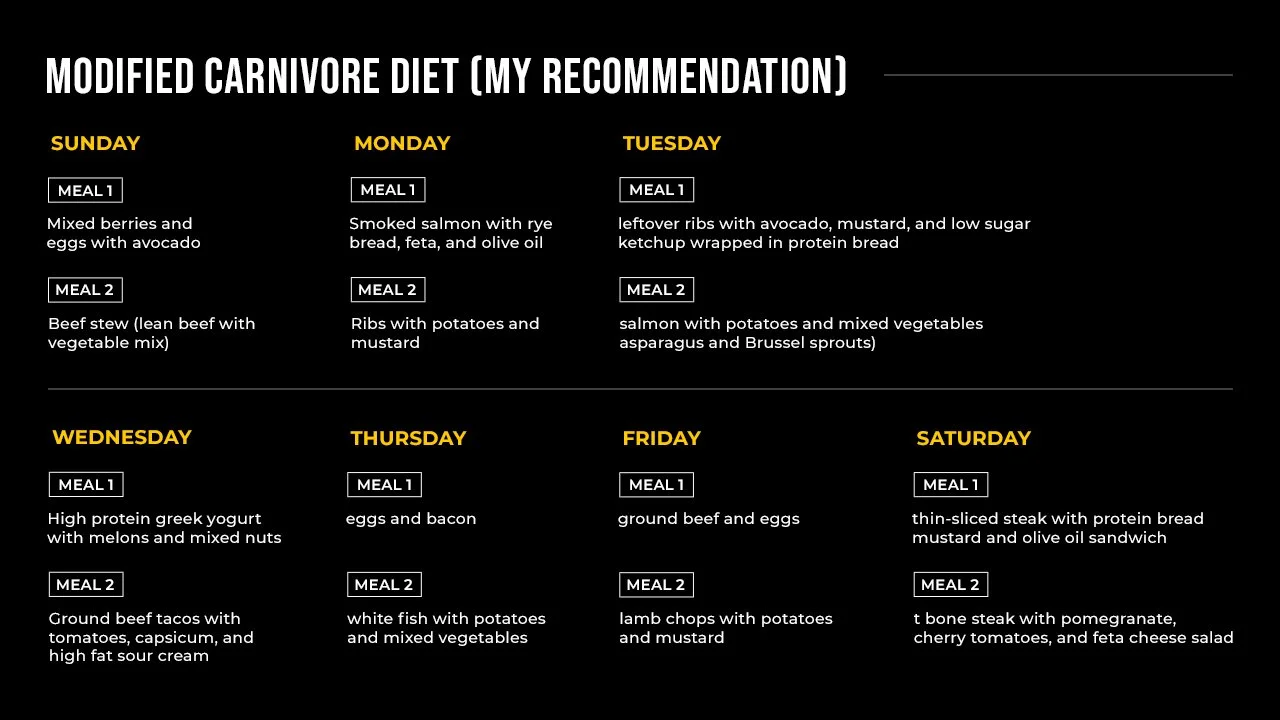
Embarking on the carnivore diet can be exciting, but having a well-structured plan is essential to ensure success. That's why we've created a free 2-week meal plan to help you get started. This plan focuses on a strict carnivore approach, emphasizing animal-based proteins and minimizing other food groups.
Remember: The carnivore diet is a significant dietary change, and listening to your body and adjusting as needed is crucial. If you experience any adverse effects, consult with a healthcare professional.
Strict Carnivore Diet Meal Plan

Modified Carnivore Diet Plan
Snacking on the Carnivore Diet: Finding the Right Balance
The carnivore diet typically emphasizes two main meals a day, leveraging the satiating nature of protein and fat to keep hunger at bay. However, if you find yourself needing a snack between meals, it's important to choose options that align with the diet's principles.
For Weight Loss:
If your goal is weight loss, opt for light, protein-rich snacks that won't significantly impact your calorie deficit. Some examples include:
Beef jerky (40 grams)
A handful of almonds (10-12 pieces)
One piece of fruit (apple, orange, kiwi, etc.)
Dark chocolate (75% or higher cocoa content, 40 grams)
1 cup of Kefir (300-400ml)
For Muscle Gain:
If you're aiming to build muscle, you'll need additional calories and protein. Consider adding a third meal or incorporating a more substantial snack, such as:
1 to 2 scoops of protein powder mixed with water or milk
One tablespoon of natural peanut butter
Hard-boiled eggs
Canned tuna or salmon
Remember: The key is to listen to your body and adjust your snacking habits based on your needs and goals. If you're feeling hungry between meals, a small, protein-rich snack can help you stay on track. However, avoid over-snacking or relying on snacks as meal replacements.
Need Personalized Guidance?
Consider our online training services and nutrition plans for tailored nutrition plans and expert support on your carnivore journey. We can help you create a sustainable and practical approach that aligns with your unique goals and lifestyle. Start today!

-
The carnivore diet's potential benefits, such as weight loss, improved blood sugar control, and reduced cravings, can be particularly appealing in regions like Dubai, where the prevalence of processed foods and a fast-paced lifestyle can pose challenges to maintaining a healthy weight. The accessibility of high-quality meat and the diet's simplicity further enhance its appeal.
When considering the carnivore diet, it's crucial to respect individual needs and cultural contexts. A strict carnivore diet might not be the best approach in specific populations, like some Emiratis who may struggle with high uric acid levels. A more moderate, high-protein diet incorporating plant-based foods could better balance benefits and risks, showing that health and wellness are not one-size-fits-all.
The carnivore diet's emphasis on satiety and reduced snacking can be particularly beneficial for individuals struggling with insulin resistance or frequent cravings, which are common challenges worldwide. In regions grappling with obesity, any dietary approach that promotes healthy weight loss and improves overall health markers is worth considering.
Ultimately, the carnivore diet's suitability depends on individual health conditions, dietary preferences, and cultural considerations. While it may be a valuable tool for some, it's essential to approach it with an open mind, consult with a healthcare professional, and most importantly, prioritize a balanced and sustainable approach to nutrition. This reassurance can give you the confidence to make informed health choices.
While controversial, the carnivore diet presents a compelling alternative for those seeking weight loss, improved health, and simplified eating. The potential benefits, including weight loss, reduced inflammation, and improved gut health, are enticing. Still, it's crucial to approach this diet with caution and awareness of potential risks and nutrient deficiencies.
It's crucial to remember that the carnivore diet is not a one-size-fits-all solution. Before making any significant dietary changes, especially if you have underlying health conditions, it's essential to consult with a healthcare professional. If you're considering the carnivore diet, it's best to start slowly, listen to your body, and prioritize nutrient-dense animal products.
If you're in Dubai and seeking personalized guidance on your health and fitness journey, consider contacting the experts at Fortius Dubai. We offer tailored training and nutrition plans to help you achieve your goals safely and effectively. Our online training services will get you covered in every corner of the world!


Looking for a personal trainer in Dubai?

Looking for online training that will help you transform your physique?