
The Fortius Glute Hypertrophy Guide: Science-Based Exercises for Women

The Fortius Science-Based Glute Hypertrophy Protocol
Most 'booty building' programs rely on generic high-rep circuits that offer plenty of 'burn' but very little actual muscle growth. At Fortius Dubai, we approach glute development through the lens of biomechanics and progressive overload.
Whether you are a busy professional looking to enhance your physique or an athlete aiming for a stronger posterior chain, this guide provides the exact science-based workout for women used in our body transformation programs. We dive deep into the anatomy of the gluteus maximus, medius, and minimus to ensure every rep you perform in the gym is optimized for your specific skeletal structure. Ready to stop guessing and start building? Let’s break down the blueprint for lasting results.

Understanding the Anatomy of Your Butt Muscles
Your buttocks consist of three main muscles that contribute to their shape and function:
Gluteus Maximus: This is the largest and most prominent butt muscle, responsible for hip extension (moving your leg backward) and external rotation (rotating your leg outward).
Gluteus Medius: Located beneath the gluteus maximus, this medium-sized muscle is responsible for hip abduction (moving your leg away from your body) and internal rotation (rotating your leg inward).
Gluteus Minimus: The smallest of the three gluteal muscles, it lies deep beneath the gluteus maximus and medius and assists with hip abduction.
In addition to these primary muscles, smaller muscles like the tensor fascia latae, piriformis, and obturator internus contribute to your glutes' overall shape and function.
Fundamental Movements for Glute Training
To effectively target and strengthen your glutes, focus on exercises that incorporate these key movements:
Hip Extension: Moving your thigh backward, as in squats, lunges, and glute bridges.
Hip Abduction: Moving your leg away from the midline of your body, as in lateral lunges and hip abduction exercises.
Hip Flexion: Bringing your thigh towards your torso, as in hip flexor stretches.
Hip Internal Rotation: Rotating your thigh inward.
Hip External Rotation: Rotating your thigh outward.
Include exercises that work the entire posterior chain, such as hamstring curls and calf raises, to ensure balanced and supported glute development.
Basic Requirements for Glute Growth
To effectively grow your glutes, you need to focus on two key factors:
Provide the Right Stimulus Through Proper Training
Your training should provide sufficient stimulus and frequency (ideally twice per week) over an extended period. Consistent and targeted exercises are crucial for stimulating muscle growth in your glutes.
Fuel Your Glutes with Adequate Calories
If you're a beginner, you might see glute gains even if your nutrition isn't fully optimized. You could be in a slight calorie deficit and still experience some muscle growth. However, these gains won't be optimal, and progress will be slower than when you consume maintenance calories or a slight calorie surplus with enough protein and carbohydrates.
Booty Building Program: A Science-Based Plan for Women
With a simple yet effective glute training program, this article is complete! Below, I've included a sample workout program to help you achieve your glute goals.
Weekly Overview (Twice a week glute-focused workouts)
Day 1 - Booty Building Workout
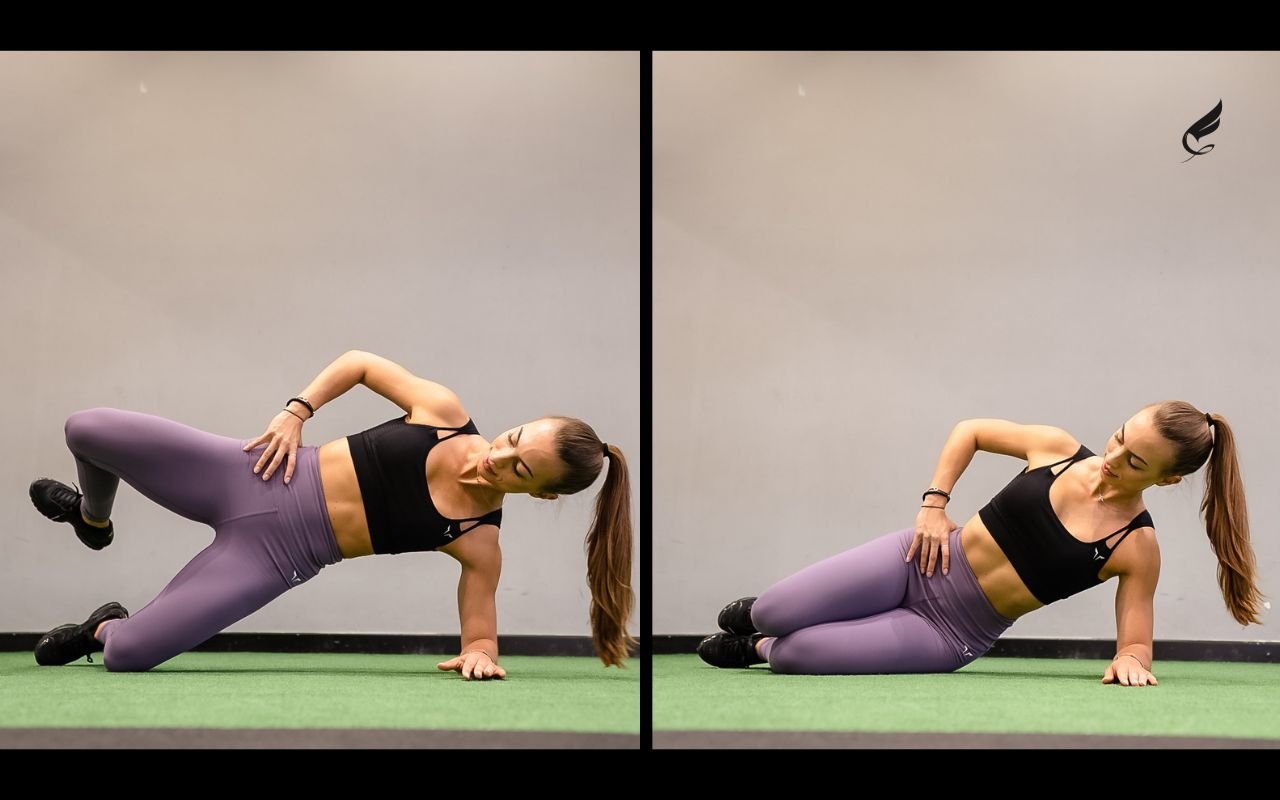
The Clam Shell: Essential for Glute Medius Activation
The Clam Shell is a cornerstone of the Fortius Dubai lower-body protocol, specifically targeting the often-neglected lateral glutes to improve both aesthetics and joint health.
Targeted Muscles: This exercise focuses on the Gluteus Medius, Hip Abductors, and Core Stabilizers.
Starting Position: Lie on your side with legs stacked and knees bent at a 90-degree angle. Keep your head and spine in a neutral, straight line.
The Fortius Movement: While maintaining stable hips, lift your top knee by contracting the glutes. Focus on a controlled range of motion up to hip height to avoid spinal twisting.
Volume & Frequency: We recommend 10-15 repetitions per side to ensure optimal muscle fiber engagement.
Advanced Progression: To increase the stimulus, incorporate a resistance band or a stability ball to add external tension.
Biomechanical Benefits: This movement enhances total hip stability and mobility, which is critical for injury prevention and peak athletic performance in more complex lifts like squats and lunges.
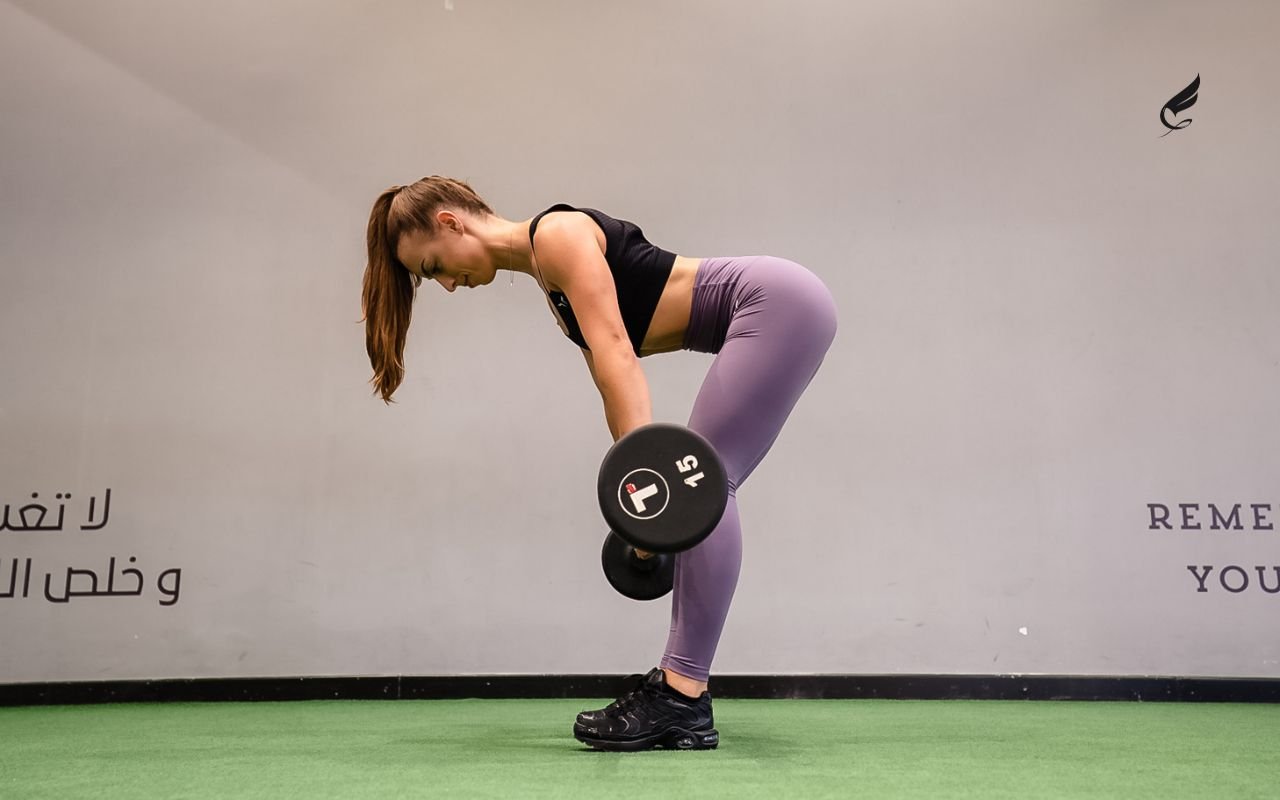
The Stiff Leg Deadlift: Mastering the Hip Hinge for Posterior Chain Power
At Fortius Dubai, we prioritize the Stiff Leg Deadlift as a primary movement for developing the "tie-in" between the hamstrings and glutes. By focusing on technical precision over raw weight, we ensure maximum metabolic stress on the posterior chain while protecting the lumbar spine.
Targeted Muscles: This compound movement primarily loads the Hamstrings and Glutes, while requiring significant isometric stability from the Lower Back (Erector Spinae) and Core.
The Fortius Setup: Stand with feet shoulder-width apart. We recommend an overhand grip on the barbell or dumbbells to maintain shoulder symmetry and thoracic extension.
The Biomechanical Movement: Unlike a standard deadlift, you must keep the legs relatively straight—but never locked—to keep the tension on the hamstrings. Focus on a deep Hip Hinge, pushing the pelvis backward as the weights descend.
Range of Motion (ROM) Precision: Lower the weight only until you feel a maximal stretch in the hamstrings, typically just below the mid-shin. Avoid "rounding" the back to reach the floor; your individual flexibility dictates your safe ROM.
Optimization & Volume: Aim for 8–12 controlled repetitions. For advanced athletes, we incorporate single-leg variations to address muscular imbalances and improve unilateral hip stability.
Performance Benefits: Beyond hypertrophy, the SLDL is a critical tool for improving the hip hinge pattern, increasing functional flexibility, and significantly reducing the risk of lower back injuries during high-intensity training.
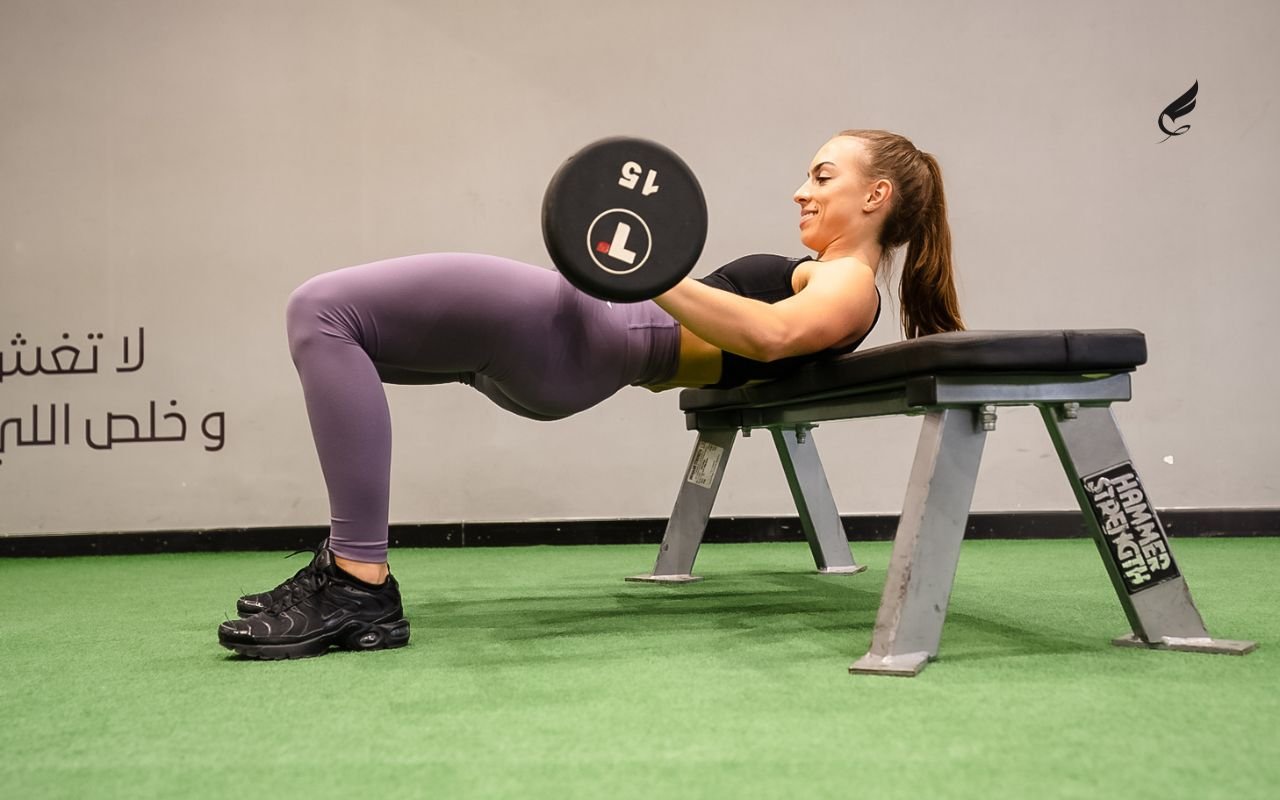
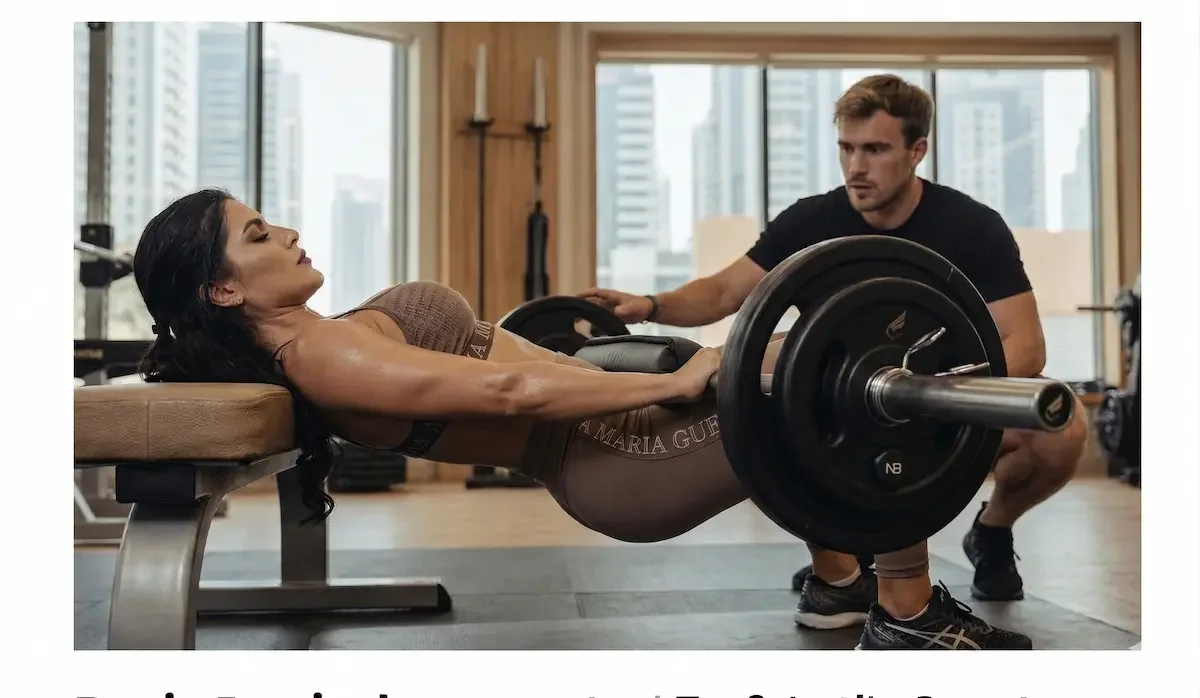
The Hip Thrust: The Gold Standard for Glute Hypertrophy
At Fortius Dubai, we consider the Hip Thrust the single most effective movement for isolating and overloading the glutes in their shortened position. Unlike the squat, the horizontal nature of the hip thrust maintains high tension on the gluteus maximus throughout the entire range of motion.
Targeted Muscles: This movement provides a high-intensity stimulus to the Gluteus Maximus, supported by the Hamstrings, Erector Spinae (Lower Back), and Core Stabilizers.
The Fortius Starting Position: Sit on the floor with your scapula (upper back) firmly against a stable bench. Position the barbell directly over your hips—we recommend using a thick pad for comfort—and set your feet flat, slightly wider than shoulder-width.
The Execution: Drive forcefully through your heels, extending the hips vertically until your torso is parallel to the floor. At the peak of the movement, your shins should be vertical and your body should form a straight line from shoulders to knees.
The "Hard" Lockout: The most critical part of the Fortius Method is the Posterior Pelvic Tilt at the top. Squeeze the glutes aggressively for one second at full extension to maximize muscle fiber recruitment.
Range of Motion & Volume: Lower the hips under control until they are just above the ground before starting the next rep. We typically program 8–15 repetitions to balance mechanical tension and metabolic stress.
Strategic Progression: Once the form is mastered, we increase the load progressively or transition to unilateral (single-leg) variations to correct structural imbalances and enhance hip stability.
Key Benefits: Regular inclusion of hip thrusts strengthens the glutes and hamstrings, significantly improves "lockout" power for other lifts, and builds the pelvic stability necessary to reduce chronic lower back pain.
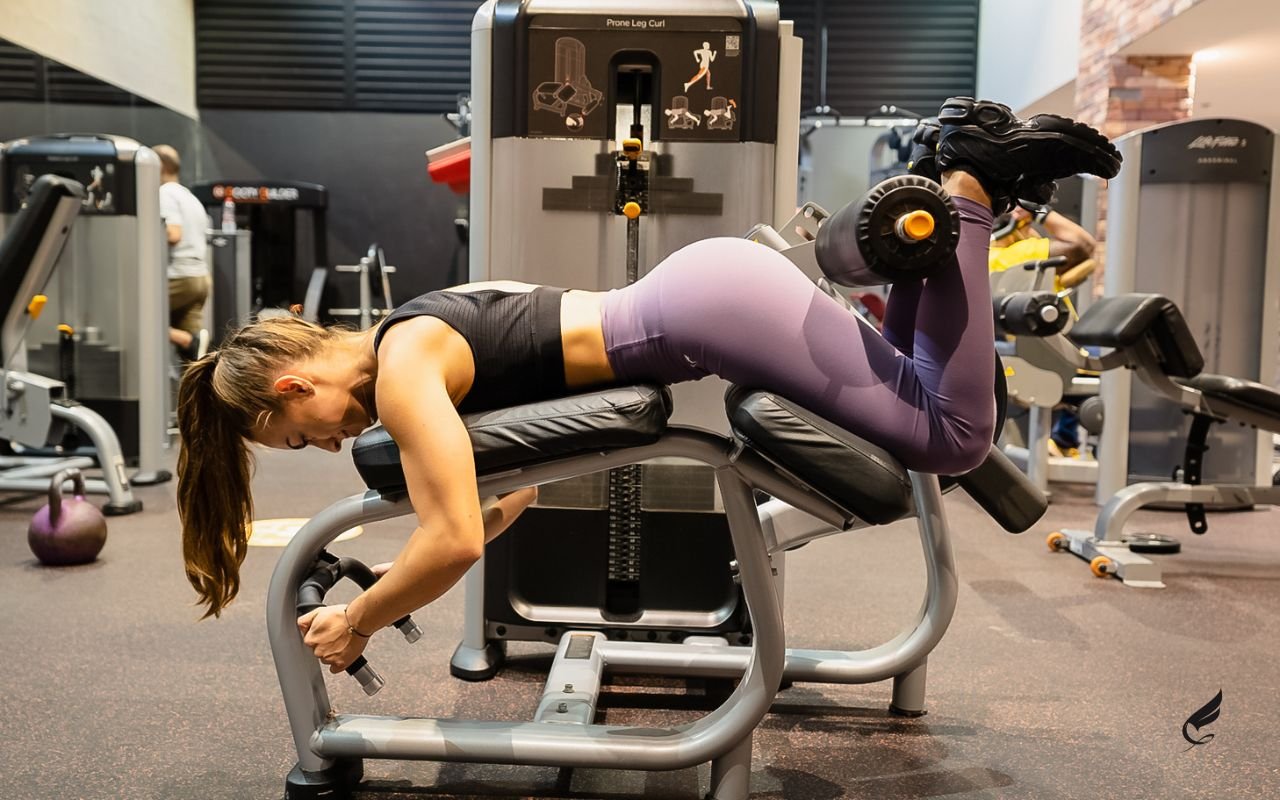
The Lying Down Hamstring Curl: Precision Isolation for the Posterior Chain
The lying hamstring curl is a vital component of the Fortius Method because it isolates the hamstrings through knee flexion without placing significant load on the lower back. This makes it an ideal "finisher" to maximize metabolic stress and muscle fiber recruitment after heavy compound lifts.
Targeted Muscles: This exercise primarily isolates the Hamstrings (biceps femoris, semitendinosus, and semimembranosus), with secondary engagement from the Glutes and Gastrocnemius (Calves).
The Fortius Setup: Lie face down on the machine with your knees positioned slightly off the edge of the pad to ensure joint health and a natural path of motion. Secure your Achilles tendons under the padded lever and keep your hips pressed firmly against the bench to prevent pelvic tilt.
The Biomechanical Execution: Maintain a tight upper body by gripping the handles firmly. Curl your legs toward your glutes by driving through your heels in a smooth, powerful arc. Avoid using momentum or "bouncing" the weight at the bottom.
Range of Motion (ROM) Excellence: Focus on a full contraction at the top of the movement, followed by a slow, controlled eccentric (lowering) phase to full extension. This controlled stretch is where significant muscle remodeling occurs.
Optimization & Volume: We typically program 10–15 repetitions for this movement to drive blood flow and maximize the mind-muscle connection.
Advanced Progression: As you get stronger, increase the resistance incrementally or transition to unilateral (single-leg) curls to eliminate strength imbalances between the left and right legs.
Key Benefits: Beyond building "peak" hamstrings, this machine strengthens the tendons around the knee, enhances explosive leg power, and acts as a critical tool for injury prevention, particularly for athletes and runners in Dubai.

The Reverse Hyper: Posterior Chain Development & Spinal Health
The Reverse Hyper is a standout in the Fortius Method because it is one of the few movements that allows for heavy glute and hamstring loading while simultaneously providing traction to the lumbar spine. It is a powerful tool for building a resilient lower back and a powerful physique.
Targeted Muscles: This movement primarily targets the Gluteus Maximus and the Hamstrings, with critical secondary involvement from the Erector Spinae (Lower Back) and Multifidus for spinal stabilization.
The Fortius Setup: Lie face down on the reverse hyperextension machine. Position yourself so your hips are exactly at the edge of the pad, allowing your legs to hang freely without hitting the frame. Grip the handles firmly to stabilize your upper body.
The Biomechanical Execution: Initiate the movement by contracting your glutes to swing the legs upward in a controlled arc. Maintain a braced core throughout to ensure the movement comes from the hips and not through excessive arching of the spine.
Range of Motion (ROM) Excellence: Raise your legs until they are parallel to the ground, focusing on a hard contraction at the peak. Lower them smoothly to a full stretch at the bottom without using momentum or "swinging" the weight uncontrollably.
Optimization & Volume: We typically program 10–15 repetitions to prioritize time-under-tension and muscular endurance in the spinal stabilizers.
Advanced Progression: Once baseline strength is established, you can increase the resistance via the machine’s weight pegs or transition to unilateral (single-leg) variations to isolate each side of the posterior chain.
Key Benefits: Beyond the significant hypertrophy of the glutes and hamstrings, the Reverse Hyper improves lower back stability, enhances overall athletic performance, and acts as a therapeutic tool to aid in injury prevention by decompressing the vertebrae.
Day 2 - Booty Building Routine

The Single-Leg Glute Bridge: Unilateral Precision for Pelvic Stability
The single-leg glute bridge is a staple in the Fortius Method because it forces the Gluteus Maximus to work in isolation while challenging your anti-rotational core strength. This is essential for building a symmetrical, powerful physique and protecting the sacroiliac (SI) joint.
Targeted Muscles: This movement provides a high-intensity stimulus to the Gluteus Maximus and Hamstrings while requiring significant isometric engagement from the Core Stabilizers (Transverse Abdominis).
The Fortius Starting Position: Lie on your back with one knee bent and the foot flat on the floor, positioned close to your glutes. Extend the opposite leg straight out or tucked toward your chest—this helps maintain a neutral pelvis and prevents lower back arching.
The Biomechanical Execution: Drive aggressively through the heel of the planted foot to elevate your hips. Focus on a "tucked" pelvis (posterior pelvic tilt) to ensure the glutes, not the lower back, are performing the work.
Range of Motion (ROM) Excellence: Raise your hips until your body forms a straight line from your shoulders to the working knee. Hold the peak contraction for one second before a controlled descent, stopping just before your hips touch the floor.
Optimization & Volume: We typically program 10–12 repetitions per leg. This rep range is ideal for building the mind-muscle connection and ensuring total muscular fatigue without compromising form.
Advanced Progression: To increase the difficulty, you can elevate your foot on a bench to increase the range of motion or place a weight plate or dumbbell across your hips for added resistance.
Key Benefits: Regular practice strengthens the glutes and core, corrects "gluteal amnesia" (where the muscles don't fire properly), improves pelvic stability, and is a critical component of injury prevention for the lower back and knees.

The Barbell Squat: The King of Lower-Body Compound Movements
At Fortius Dubai, we treat the barbell squat as a fundamental human movement pattern. While it is a total-body lift, our specific cues prioritize maximum Gluteus Maximus and Quadriceps recruitment while maintaining rigid spinal integrity.
Targeted Muscles: This "king of exercises" primarily loads the Quadriceps, Glutes, and Adductors, while requiring massive isometric stability from the Core and Erector Spinae.
The Fortius Setup: Position the barbell across your upper trapezius (high bar) or rear deltoids (low bar). Stand with feet shoulder-width apart, chest up, and your core braced using a "360-degree" diaphragmatic breath.
The Biomechanical Movement: Initiate the descent by simultaneously breaking at the hips and knees. Descend in a controlled manner, keeping the weight centered over the middle of your foot.
Range of Motion (ROM) Excellence: Aim for a depth where your thighs are parallel to the floor or slightly below, provided you can maintain a neutral spine. Drive forcefully through your heels to return to the starting position.
Optimization & Volume: We typically program 8–12 repetitions for hypertrophy. To break through plateaus, we incorporate pause squats (holding the bottom position for 2 seconds) to eliminate momentum.
Key Benefits: Beyond sheer leg strength, the squat improves bone density, enhances functional mobility, and builds the metabolic foundation necessary for a true body transformation.
The Leg Press: Strategic Volume and Quadriceps Isolation
While the squat is about total-body coordination, the Leg Press is used in the Fortius Method to push the lower body to the limit without being limited by lower back fatigue. It is an essential tool for adding the high-volume stimulus needed for glute and leg growth.
Targeted Muscles: This machine-based movement isolates the Quadriceps and Glutes, with minimal demand on the lower back compared to free-weight variations.
The Fortius Setup: Sit firmly with your back and pelvis pressed against the pad. Place your feet shoulder-width apart on the footplate. For greater glute emphasis, we often recommend a slightly higher foot placement on the platform.
The Execution: Disengage the safety locks and control the weight as you bend your knees. Focus on "pushing the world away" by extending your legs, ensuring you do not lock your knees out aggressively at the top.
Range of Motion (ROM) Precision: Use a full range of motion, bringing the platform down until your knees are near your chest. Critical: Stop the descent immediately if your lower back starts to round or lift off the pad.
Optimization & Volume: We program 10–12 reps or higher for the leg press to maximize time-under-tension.
Advanced Progression: Gradually increase the load or incorporate one-legged presses to address strength discrepancies and improve unilateral stability.
Key Benefits: The leg press is an ideal alternative for clients with mobility issues. It allows for safe, heavy loading that strengthens the lower body and enhances overall leg power without spinal compression.
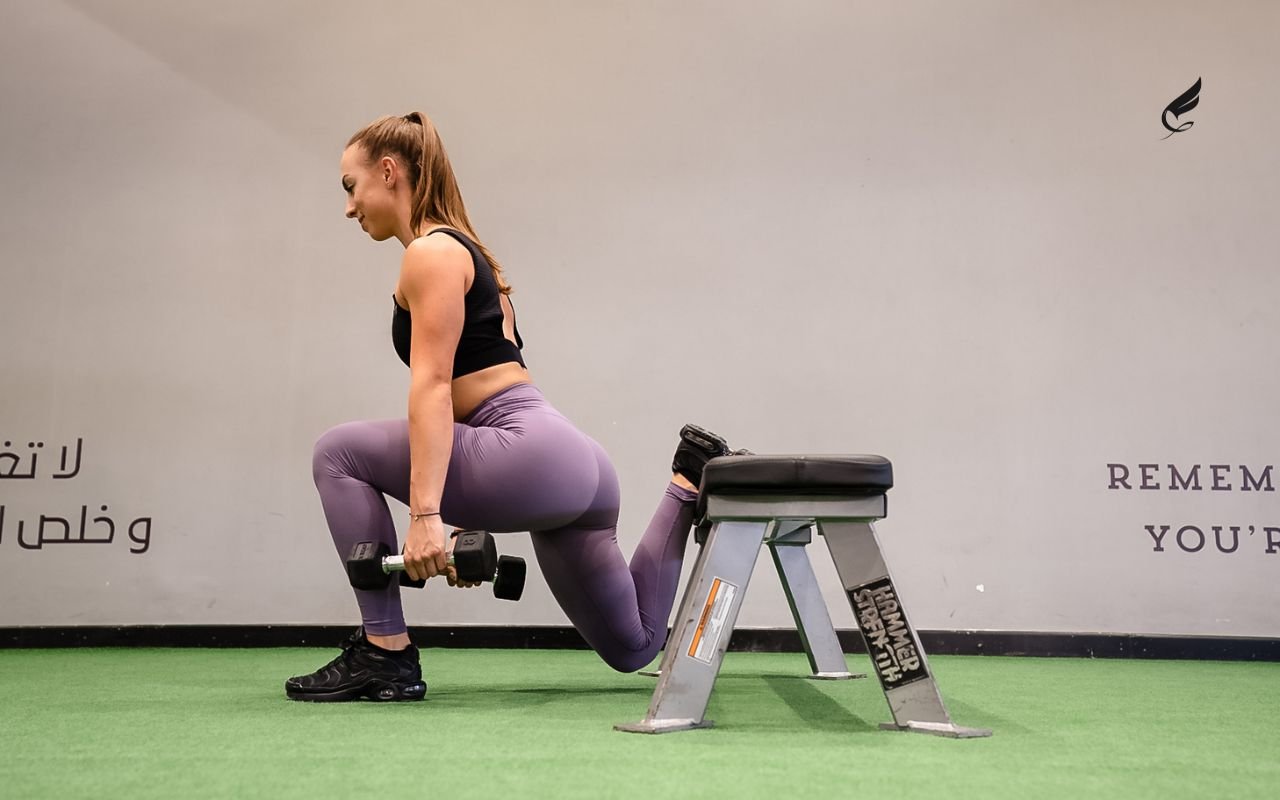
The Bulgarian Split Squat: The Ultimate Unilateral Strength Builder
The Bulgarian Split Squat is a "powerhouse" movement in the Fortius Method because it provides a massive growth stimulus to the glutes and quads while placing significantly less compression on the spine than traditional bilateral squats.
Targeted Muscles: This exercise provides a high-intensity load to the Quadriceps and Gluteus Maximus, while the Gluteus Medius and Core work overtime to maintain pelvic and knee alignment.
The Fortius Setup: Stand a few feet in front of a bench or elevated platform. Place the top of your rear foot on the bench and step your front foot forward far enough so that your shin remains nearly vertical during the descent. Maintain a "proud" chest and a fully braced core.
The Biomechanical Movement: Descend by bending your front knee and "sitting" your hips back slightly. To maximize glute recruitment, we recommend a slight forward lean of the torso; to prioritize the quads, keep the torso more upright.
Range of Motion (ROM) Precision: Lower your body until your back knee nearly touches the ground. Ensure your front heel stays firmly planted throughout the entire repetition to drive the force through the posterior chain.
Optimization & Volume: We typically program 10–12 repetitions per leg. Because this movement is metabolically demanding, we suggest resting 30–60 seconds between legs to ensure equal intensity for both sides.
Advanced Progression: Once bodyweight form is perfected, increase the challenge by holding dumbbells or a goblet-style weight. To further increase the range of motion (and glute stretch), you can elevate the front foot on a small deficit block.
Key Benefits: This movement is unparalleled for building lower body strength and endurance while correcting the muscle imbalances often found in semi-pro and professional athletes. It enhances balance, hip flexibility, and total-body stability, serving as a critical indicator of your overall fitness progress.
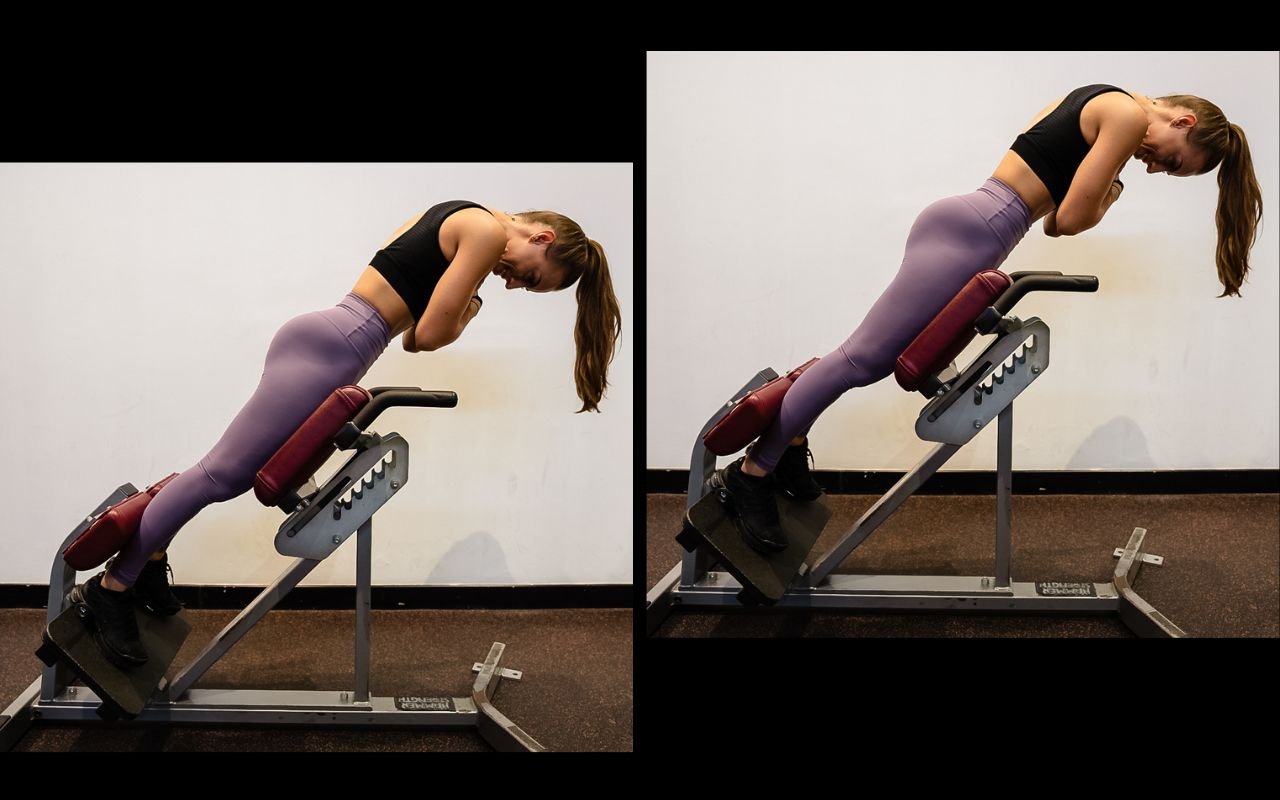
The Curved Back Hyperextension: Targeted Glute & Hamstring Isolation
The curved back variation is a vital component of the Fortius Method for clients who want to build a powerful posterior chain while minimizing lower back strain. This specific technical adjustment allows for maximal gluteal contraction without the typical "ego lifting" that leads to spinal extension.
Targeted Muscles: This movement primarily isolates the Gluteus Maximus and the Hamstrings while significantly reducing the involvement of the lower back musculature.
The Fortius Setup: Position yourself on a 45-degree or horizontal hyperextension bench with your hips exactly at the leading edge of the pad. Secure your feet firmly and cross your arms over your chest to keep your center of gravity stable.
The Biomechanical Secret: Unlike a traditional back extension, you must maintain a rounded upper back throughout the entire set. This intentional "curving" disengages the spinal erectors, forcing the glutes and hamstrings to drive the movement through hip extension alone.
Range of Motion (ROM) Precision: Lower your torso until your hamstrings reach a full, deep stretch while maintaining the curved posture. On the way up, squeeze your glutes aggressively to pull your body back to the starting position.
Optimization & Volume: We typically program 10–15 repetitions to capitalize on the high time-under-tension and metabolic burn this isolation movement provides.
Advanced Progression: Once the mind-muscle connection is mastered, you can increase the resistance by holding a weight plate or dumbbell close to your chest, or by slightly increasing the depth of the eccentric phase.
Key Benefits: This exercise is a powerhouse for strengthening the glutes and hamstrings and improving overall posture. It enhances athletic performance and serves as a critical tool for injury prevention, supporting the long-term goals of any serious body transformation.
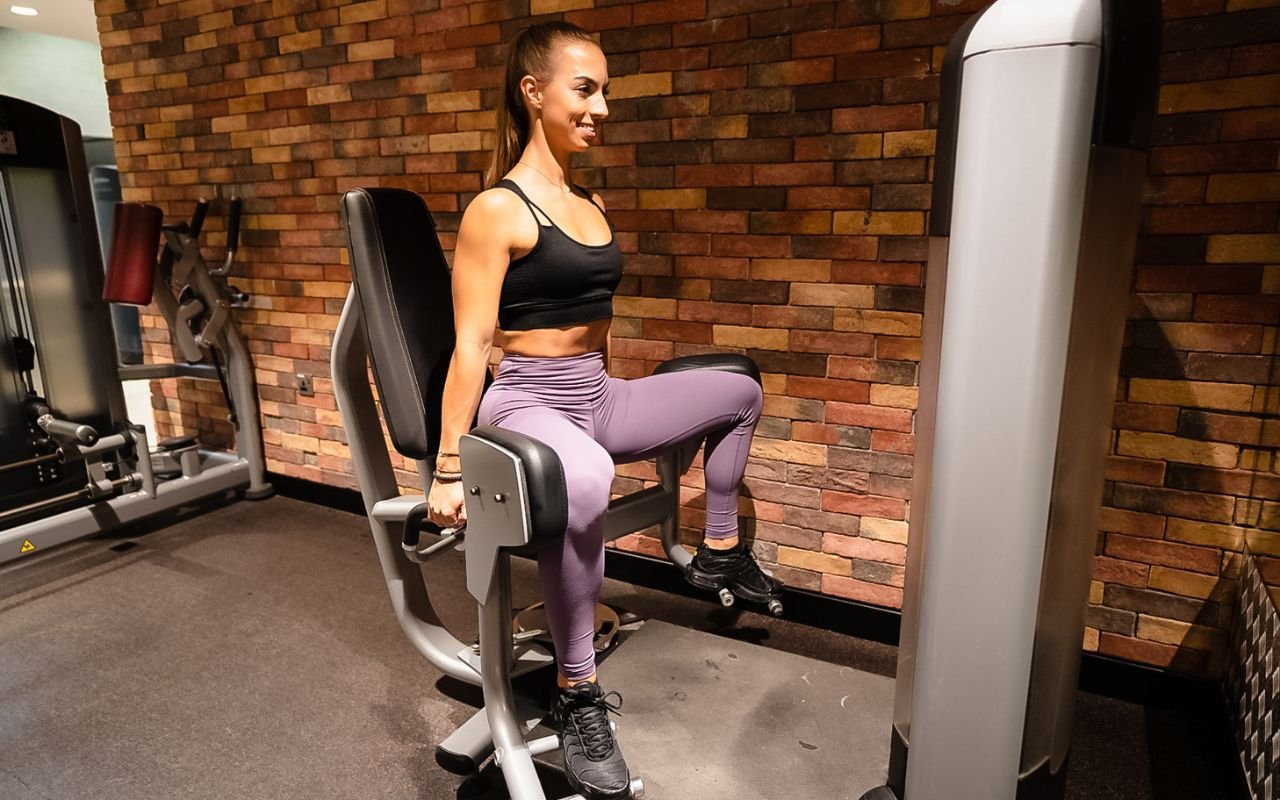
The Hip Abduction Machine: Targeted Sculpting for the Lateral Glutes
The seated hip abduction is a key isolation tool in the Fortius Method because it allows for direct mechanical tension on the gluteus medius and minimus, muscles that are often under-stimulated in traditional compound lifts.
Targeted Muscles: This exercise provides a high-intensity isolation stimulus to the Gluteus Medius, Gluteus Minimus, and the Tensor Fasciae Latae (TFL).
The Fortius Setup: Sit firmly with your back straight and your spine neutral. Ensure your knees are bent at a 90-degree angle and the pads are positioned comfortably against your outer thighs to ensure optimal force transfer.
The Biomechanical Execution: Focus on pushing your legs outward against the resistance by contracting the glutes. At Fortius Dubai, we recommend a slight forward lean in the seat to further increase the recruitment of the gluteal fibers.
Range of Motion (ROM) Precision: Extend your legs as far apart as possible while maintaining control. On the return phase, stop just before the weight plates touch to maintain constant tension throughout the entire set.
Optimization & Volume: We typically program 10–15 repetitions to maximize the metabolic "burn" and blood flow to the lateral hip musculature.
Advanced Progression: Once you have mastered the resistance, increase the load incrementally or perform single-leg abductions to address strength discrepancies and improve unilateral pelvic stability.
Key Benefits: This machine strengthens the glutes and abductors, significantly improves hip stability, and enhances overall athletic performance. It is a vital tool for injury prevention and supports the aesthetic goals of any comprehensive body transformation.
The Fortius Principles: Maximizing Your Glute Training Results
To achieve professional-grade results from your lower-body training, you must move past generic rep counts and embrace these essential pillars of the Fortius Method. At our Dubai facility, we insist on these standards to guarantee both safety and maximal hypertrophy.
1. Strategic Inter-Set Recovery
Uphold the discipline of allowing for longer, standardized recovery periods (90–120 seconds) between sets of heavy compound exercises. This rest is critical to restore adenosine triphosphate (ATP) stores and maintain neurological output for movements like Squats and Hip Thrusts. Conversely, utilize shorter breaks (45–60 seconds) between isolation exercises (like the Clam Shell) to maximize metabolic stress and muscle pump.
2. Systematic Progressive Overload
This is the single most important variable for muscle growth. To force adaptation, you must gradually increase the total training volume week after week. This can be achieved by:
Incrementally increasing the weight/resistance.
Adding an extra repetition with the same weight.
Improving the technical execution of a lift while maintaining the same load.
3. Biomechanical Integrity (Form)
Maintaining proper form throughout each exercise isn't just about safety; it is about muscle recruitment. At Fortius Dubai, we teach that a technically perfect repetition with a lighter weight will yield superior results to an "ego lift" that shifts the tension to the wrong joints.
4. Synergistic Tension & Sensation
Optimal growth requires a harmonious blend of mechanical tension (lifting heavy loads) and metabolic sensation (feeling the target muscle working through a full range of motion). This is particularly crucial for glute training, where the "mind-muscle connection" often determines the quality of the contraction.
5. Intentional Execution on Every Rep
Let this principle guide every single session. Do not just "go through the motions." Instead, approach every set and repetition with intent and 100% focus. immaculate form combined with explosive concentric intent and controlled eccentrics will generate the results you desire.
Important Training Guidelines & The "Burn" Myth
These principles are just a fraction of the protocols we use to ensure our clients succeed in their Dubai body transformation journeys. While this guide provides an exceptional starting point, the most effective way to determine which variations work best for your specific biomechanics is through professional assessment.
Bear in mind: It is not all about "feeling the burn."
The most essential element of hypertrophy is consistent progressive overload—lifting heavier weights over time in the 8–15 rep range.
Volume and Recovery: Don’t Overdo It
When initiating this program, start with a conservative training volume and assess your Delayed Onset Muscle Soreness (DOMS). Being sore for 1–2 days is an indicator of sufficient stimulus; being sore for longer may be detrimental to your recovery and progress. Conversely, if you feel no muscular fatigue whatsoever the following day, it is a signal to increase the intensity (weight or effort) of your training.
Conclusion: Begin Your Glute Transformation Today
I hope you found this science-based glute training protocol helpful and that you will apply this knowledge to your own workout plan. Remember, building significant muscle takes time, patience, and unwavering dedication.
Regardless of your genetic starting point, you can fundamentally transform your physique and achieve the glutes you desire. Dedication and a commitment to the process are your ultimate tools.
If you are feeling lost on your fitness journey, struggle with motivation, or want to bypass the guesswork and follow a guaranteed path to results, please contact us to book your FREE personal training consultation in Dubai.


To find out more about our services, check out:

Learn more with Dubai’s leading fitness and wellness blog:
#StayStrong
#BeFortius
